


AI Talent Migration: Apple Loses Key Researchers to Meta and Competitors
- Sep 7, 2025
- 5 min read
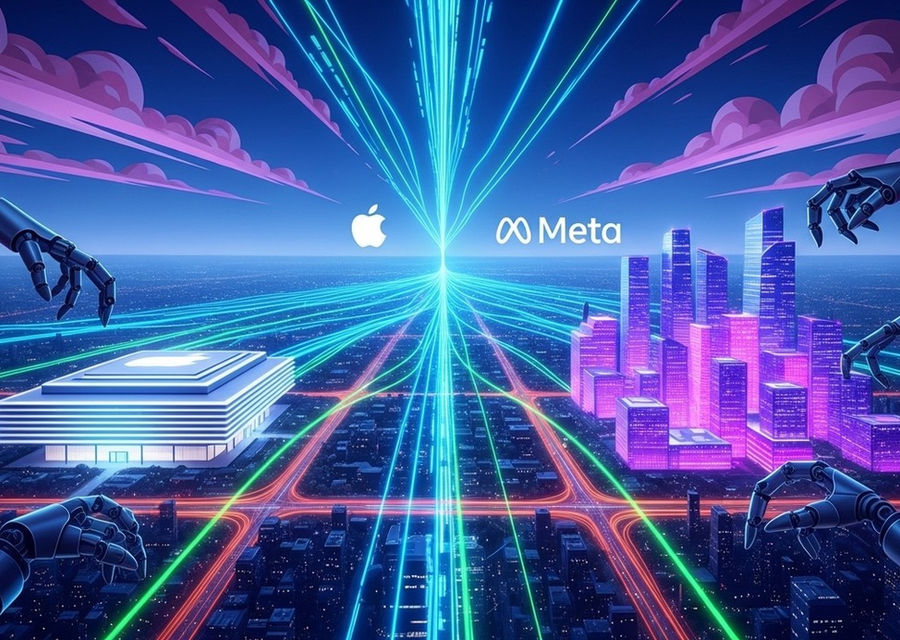
The high-stakes game of artificial intelligence talent acquisition is in full swing, and recent movements reveal a significant shift as Apple's leading AI robotics researcher departs for Meta Platforms. This high-profile move, alongside other AI researchers leaving Apple's large language models team, underscores the intense competition and the fluid nature of expertise in the rapidly evolving AI landscape. Such departures aren't merely personnel changes; they represent potential shifts in research direction, competitive advantages, and the overall trajectory of AI development at these tech giants. Understanding the implications of this talent migration is crucial for grasping the future of AI innovation and the strategies these companies employ to secure their positions at the forefront of technological advancement.
The Shifting Sands of AI Talent: Key Researchers Depart Apple for Meta and Beyond
The landscape of artificial intelligence research is a dynamic and competitive arena, marked by the constant movement of brilliant minds between leading technology firms. Recently, this churn has become particularly evident with significant departures from Apple's AI division, signaling a potential shift in the balance of power and expertise within the industry. The most notable move involves Jian Zhang, Apple’s lead AI researcher for robotics, who has now joined Meta Platforms to bolster their own burgeoning robotics initiatives. This relocation is not an isolated incident; it represents a broader trend of AI talent migrating away from Apple, raising questions about the company's internal research environment and its ability to retain top-tier innovators in a field that demands continuous advancement and a robust ecosystem of collaboration.
Examining the Exodus: What's Driving AI Researchers Away?
The departure of key AI personnel from Apple, including Jian Zhang, John Peebles, Nan Du, and Zhao Meng, within a short span suggests underlying factors that warrant closer examination. While specific reasons are often kept private, such significant movements can be indicative of several potential issues. One possibility is the pursuit of greater research freedom or more ambitious project scopes elsewhere. Companies like Meta, with their extensive investments in AI, particularly in areas like robotics and large language models, might offer more compelling opportunities for researchers to push boundaries. Another factor could be the internal structure and strategic direction of Apple's AI efforts. If researchers feel their work isn't aligning with broader company goals, or if they perceive a lack of resources or recognition, they may look for environments that better suit their professional aspirations. The competitive nature of AI means that companies must not only innovate but also cultivate an environment that fosters groundbreaking work and retains the talent responsible for it.
Robotics and AI: A New Frontier for Meta
Meta's recruitment of Jian Zhang, a leading AI researcher in robotics from Apple, underscores the social media giant's strategic pivot towards advanced robotics. The Meta Robotics Studio is clearly aiming to integrate cutting-edge AI into physical systems, potentially for applications ranging from virtual reality interactions to more advanced research in human-robot collaboration. This move signifies Meta's intent to not just lead in the metaverse but also in the physical manifestation of AI, leveraging sophisticated machine learning models for complex motor control, environmental understanding, and adaptive behaviors in robotic platforms. The acquisition of Zhang's expertise is a clear indicator of Meta's commitment to this ambitious frontier, seeking to bridge the gap between digital and physical realities through intelligent machines.
The Impact on Apple's AI Ambitions
The series of AI talent departures from Apple, especially from their in-house large language models team, presents a notable challenge for the tech giant. Apple has historically been cautious in its public pronouncements about AI, focusing on integrating the technology seamlessly into its products rather than pursuing AI research as a standalone venture. However, the recent exodus, particularly of researchers involved with large language models, could slow down progress in areas crucial for future product development, such as advanced Siri capabilities, on-device AI processing, and novel user interfaces. While Apple possesses significant resources, the loss of experienced researchers can disrupt project timelines and necessitate considerable effort in recruiting and training replacements, potentially giving competitors a temporary advantage in the race for AI supremacy.
Competitive Landscape and Talent Mobility
The movement of AI talent between major tech companies like Apple and Meta highlights the intense competition for specialized expertise in artificial intelligence. The field is expanding so rapidly that demand for skilled AI researchers, particularly those with experience in areas like robotics, natural language processing, and machine learning, far outstrips supply. This imbalance creates a highly mobile job market for these professionals, allowing them to leverage their skills across different companies and projects. For firms like Apple and Meta, retaining talent is as crucial as acquiring it, requiring not only competitive compensation but also a stimulating research environment, clear career progression, and impactful projects. The ability to attract and keep the best minds is a significant determinant of long-term success in the AI race.
Looking Ahead: The Future of AI at Apple and Meta
The recent reshuffling of AI talent, with key researchers moving from Apple to Meta, sets the stage for intensified competition and innovation in the artificial intelligence sector. Meta's strategic acquisition of robotics expertise signals its ambition to expand AI's reach into the physical world, potentially redefining human-computer interaction. Conversely, Apple faces the challenge of reinforcing its AI teams and potentially rethinking its strategies to retain its top researchers. As AI continues to evolve at an unprecedented pace, the movement of these influential figures will undoubtedly shape the direction of research and development, impacting the future of technology for consumers and industries alike. The ongoing battle for AI supremacy is not just about algorithms and data, but critically, about the human intellect driving these advancements.
Area of Expertise | Departing Researcher(s) | New Affiliation | Implications |
AI Robotics | Jian Zhang | Meta Robotics Studio | Strengthens Meta's physical AI initiatives; poses challenge for Apple's robotics development. |
Large Language Models (LLMs) | John Peebles, Nan Du, Zhao Meng | Unspecified (likely competitors) | Indicates potential disruption and talent drain for Apple's LLM team; highlights competitive recruitment by other firms. |
General AI Research | Multiple researchers | Various tech companies (Meta being a key one) | Reflects the highly competitive market for AI talent, with companies actively seeking specialized expertise. |
Talent Retention | Apple | Meta Platforms | Raises questions about Apple's internal environment and ability to retain top AI minds in a fast-paced field. |
From our network :
Light Cone Visualization with Matplotlib: A Guide to Plotting Geodesic Curves
Google Antitrust Lawsuit: DOJ Demands Divestiture of Chrome and Data Sharing
SQL Server Permissions: Granting Stored Procedure Access Only
Exploring the Solar System: Formation, Structure, and the Search for Life Beyond Earth
Rocket Lab to the Rescue: A New Plan for Martian Sample Return


Comments