


CES 2026: Meta Ethereal Touch Haptic Suit Redefines Long-Distance Intimacy
- THE MAG POST

- 23 hours ago
- 3 min read
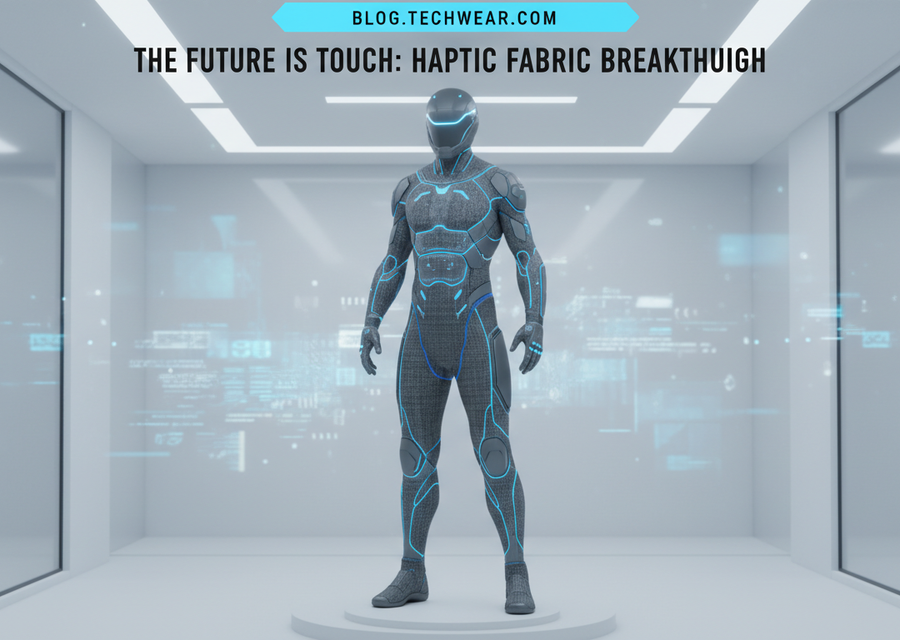
The Consumer Electronics Show (CES) 2026 has witnessed a monumental shift in the landscape of virtual reality and human connection with the official unveiling of the Meta Ethereal Touch. This lightweight, fabric-based haptic suit has rapidly become the most discussed hardware of the year, promising to bridge the gap between digital interaction and physical sensation. By integrating advanced haptic feedback into a wearable form factor, Meta aims to redefine how we perceive presence in a world increasingly dominated by remote communication.
The buzz surrounding the Meta Ethereal Touch stems from its focus on "Shared Presence," a concept that moves beyond mere visual and auditory immersion. As long-distance relationships and remote work become the norm, the demand for authentic physical connection has never been higher. This technology represents the first major commercial attempt to digitize the sense of touch with high fidelity, creating a ripple effect across the tech industry and society at large.
The Revolutionary Technology of Meta Ethereal Touch
The core innovation of the Meta Ethereal Touch lies in its proprietary "micro-vibration neurons." Unlike the bulky actuators found in previous haptic vests, these sensors are woven directly into the fabric, allowing for a seamless and comfortable fit that mimics the texture of human skin. These neurons can simulate a wide range of sensations, from the gentle pressure of a hand-hold to the warmth of a hug, providing a level of realism that was previously thought impossible in consumer-grade hardware.
Micro-vibration Neurons and Thermal Feedback
The suit does not just rely on vibration; it incorporates advanced thermal regulators that can adjust surface temperatures in milliseconds. This dual-action approach—combining pressure and heat—is what sets the Meta Ethereal Touch apart from its competitors. When two users interact in a virtual space, the suit synchronizes their movements and sensations, creating a feedback loop that tricks the brain into feeling a physical presence. This level of synchronization is essential for maintaining the illusion of physical intimacy across vast distances.
Transforming Long-Distance Intimacy
For years, long-distance couples have relied on video calls and messaging to maintain their bond. The Meta Ethereal Touch introduces a tactile dimension to these relationships, allowing partners to share physical space regardless of their geographic location. This leap in technology is being hailed as a potential solution to the "skin hunger" often experienced by those separated by distance, providing a sense of comfort that words and images cannot replicate.
Bridging the Physical Gap in Virtual Reality
By integrating with the Meta Quest ecosystem, the suit allows users to engage in shared activities—such as dancing, walking, or simply sitting together—with a tangible sense of touch. The Meta Ethereal Touch ensures that every gesture is translated into a physical sensation, making the virtual environment feel like a shared reality rather than a digital simulation. This "Shared Presence" technology is expected to become a cornerstone of the metaverse, moving it closer to the science-fiction visions of the past.
Ethical Considerations and the Future of Human Connection
Despite the excitement, the Meta Ethereal Touch has sparked significant debate among bioethicists and sociologists. The primary concern is the potential "commodification of touch," where physical intimacy becomes a subscription-based service controlled by a tech giant. There are also fears that individuals might begin to prefer the controlled, idealized sensations of a virtual suit over the complexities of real-world physical interaction, potentially leading to social isolation.
Privacy and Data Security in Haptic Tech
Another critical issue is the collection of biometric data. Since the Meta Ethereal Touch monitors physiological responses to simulate touch accurately, it generates a massive amount of sensitive biological data. Ensuring that this information is protected from misuse is a hurdle that Meta must overcome to gain widespread public trust. As we move closer to a fully immersive metaverse, the line between our digital and physical selves continues to blur, requiring robust legal and ethical frameworks.




Comments