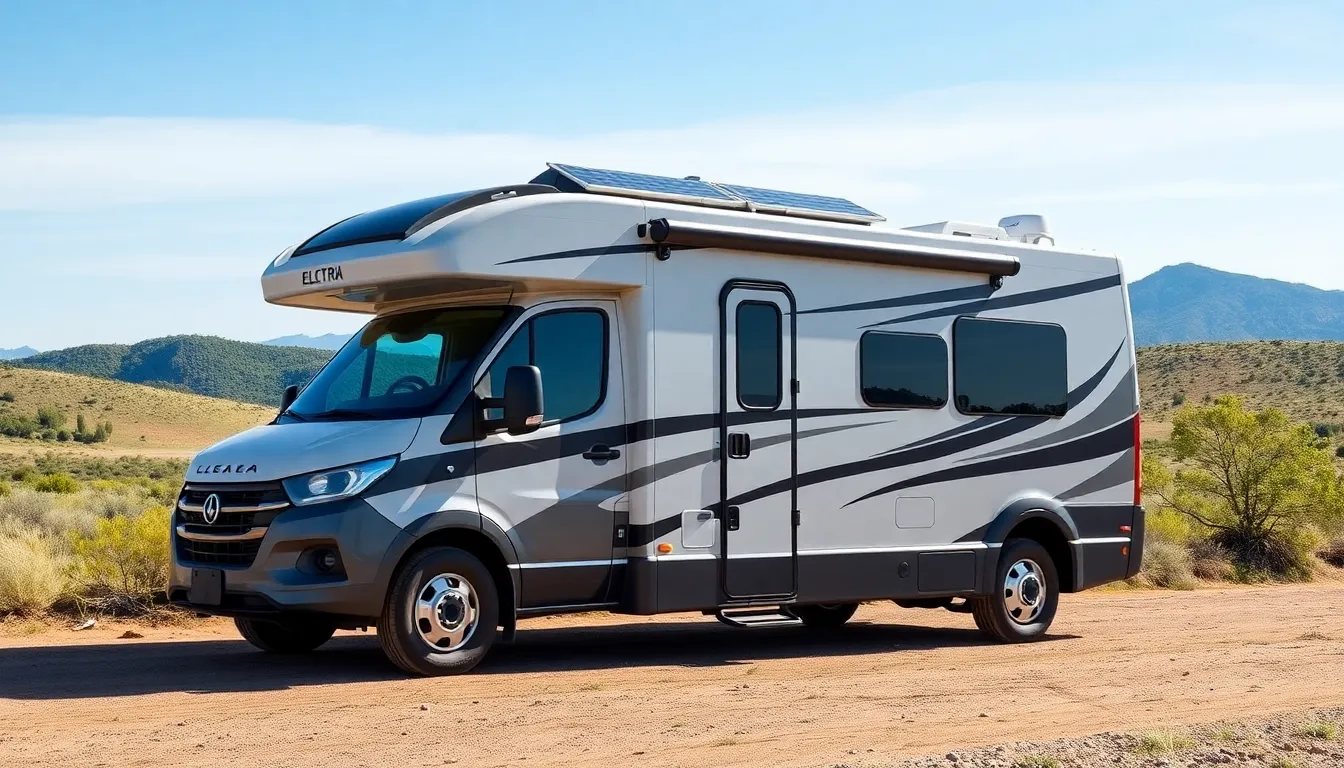
The road trip experience is undergoing a profound transformation, moving towards a future that is both cleaner and significantly quieter, thanks to the advent of electric recreational vehicles (RVs). For enthusiasts like Bob Anderson, a physician, pilot, and executive known for his meticulous standards, the quest for the ideal RV has been a long journey marked by dissatisfaction with conventional models—from underpowered axles on an Earth Roamer to the complex emissions systems of a Newmar land yacht and the propane dependency of an Airstream trailer. His persistent search underscores a widespread desire for RVs that blend performance, sustainability, and modern convenience, a desire that the new wave of electric RVs, exemplified by innovative designs like the Lightship AE.1 Cosmos, are poised to fulfill, promising a more serene and eco-conscious adventure on the open road.
The Dawn of Electric RVs: A Quieter, Cleaner Journey Awaits
The open road beckons, and for many, the allure of a recreational vehicle (RV) promises freedom and adventure. However, the traditional RV experience has often been accompanied by compromises: the rumble of inefficient engines, the complexity of exhaust systems, and the reliance on fossil fuels. Enter the era of electric RVs, poised to revolutionize road trips by offering a more sustainable, serene, and technologically advanced way to explore. This shift isn’t just about environmental consciousness; it’s about enhancing the very essence of the RV lifestyle, transforming noisy treks into peaceful odysseys.
Why the Electric RV Revolution is Gaining Momentum
The traditional RV landscape, while offering unparalleled freedom, has long been hampered by inherent drawbacks. Bob Anderson, a seasoned RV owner and discerning perfectionist, perfectly encapsulates this sentiment. His history with various RVs—from the Earth Roamer with its questionable axles to a luxurious Newmar land yacht burdened by intricate emissions controls, and even a beloved Airstream trailer that relied heavily on propane—highlights a common frustration: the quest for an RV that harmonizes performance, efficiency, and modern sensibilities. Anderson’s persistent pursuit of the ideal camping rig, despite past disappointments, underscores a broader desire for improvement within the RV community. This yearning for a superior travel experience is a powerful catalyst for innovation, paving the way for electric alternatives.
Addressing the Shortcomings of Conventional RVs
The core issues plaguing conventional RVs often revolve around their mechanical and environmental footprints. Many models are essentially large trucks with living quarters, leading to significant fuel consumption and associated emissions. The complex emissions control systems, while necessary for regulatory compliance, can be costly to maintain and prone to failure, adding a layer of anxiety for owners. Furthermore, the reliance on propane for heating, cooking, and even refrigeration presents its own set of challenges, including safety concerns and the need for frequent refills. These factors collectively detract from the carefree spirit of RV travel, prompting a search for more integrated and sustainable solutions.
The Allure of the Lightship AE.1 Cosmos
The emergence of vehicles like the Lightship AE.1 Cosmos signifies a paradigm shift in RV design and functionality. Anderson’s anticipation for this particular model speaks volumes about its potential. Described as being as distinct from a traditional Airstream as a Tesla Roadster is from a Pontiac Firebird, the AE.1 Cosmos represents a bold leap forward. It embodies a commitment to advanced technology, likely incorporating electric powertrains, sophisticated battery management, and potentially innovative materials. This new generation of RVs aims to deliver a driving and living experience that is not only environmentally responsible but also exceptionally comfortable and technologically refined, addressing the very pain points that have long frustrated enthusiasts like Anderson.
The Technological Leap in Electric RV Design
The transition to electric powertrains in RVs is more than a simple substitution of energy sources; it represents a fundamental reimagining of vehicle architecture and user experience. Manufacturers are leveraging advancements in battery technology, electric motor efficiency, and integrated systems to create vehicles that are not only greener but also superior in performance and comfort. This technological evolution extends beyond the powertrain, often encompassing smart home features, advanced climate control, and enhanced connectivity, all powered by a sophisticated electrical system.
Battery Technology and Range Considerations
A primary concern for any electric vehicle, including RVs, is the battery system and its implications for range. Early electric RV prototypes and production models are focusing on robust battery packs designed to provide sufficient power for both driving and onboard amenities. Innovations in battery density and charging technology are continuously improving, promising longer travel distances and reduced charging times. Manufacturers are also exploring intelligent energy management systems that optimize power usage, ensuring that essential functions like refrigeration and climate control remain operational without drastically impacting the overall range. The goal is to make the electric RV a viable and practical option for extended road trips, alleviating range anxiety.
Integration of Sustainable Power Solutions
Beyond the primary battery, many electric RVs are designed with integrated sustainable power solutions. This can include advanced solar panel arrays seamlessly incorporated into the roof design, providing a continuous source of supplementary power. Regenerative braking systems also contribute to energy efficiency by recapturing energy during deceleration, feeding it back into the battery. These multifaceted approaches to energy management aim to maximize self-sufficiency, reduce reliance on external charging infrastructure, and further minimize the environmental impact of RV travel, aligning with the eco-conscious ethos of modern adventurers.
The Driving Experience: Quiet, Smooth, and Powerful
The shift from internal combustion engines to electric drivetrains fundamentally alters the driving experience, offering a level of refinement previously unattainable in the RV sector. The absence of engine noise and vibration transforms long journeys into more relaxing and enjoyable experiences, allowing occupants to better appreciate the surrounding scenery and engage in conversation without strain. This quiet operation also minimizes disturbance to natural environments, aligning with the principles of responsible travel.
Noise Reduction and Enhanced Comfort
One of the most immediate and striking benefits of electric RVs is the dramatic reduction in noise pollution. Unlike the constant drone of a gasoline or diesel engine, electric motors operate with a near-silent hum. This tranquility extends to the interior, creating a peaceful sanctuary on wheels. Passengers can enjoy conversations, listen to music, or simply relax without the intrusive background noise associated with traditional RVs. This enhanced acoustic environment significantly boosts overall comfort, making even the longest drives feel more restful and less fatiguing.
Instant Torque and Responsive Handling
Electric powertrains are renowned for their instant torque delivery, providing immediate acceleration from a standstill. This characteristic translates into more responsive handling and a more dynamic driving feel, even in larger vehicles like RVs. Drivers will notice quicker take-offs, smoother merging onto highways, and more confident overtaking maneuvers. The power is delivered smoothly and linearly, contributing to a more controlled and less stressful driving experience, particularly in varied terrain or challenging driving conditions.
- 01
- 02
- 03
- 04
Redefining the RV Lifestyle for the Future
The advent of electric RVs signals a profound evolution in how we approach recreational travel. By embracing cleaner energy and smarter technology, these vehicles offer not just an alternative but an upgrade to the traditional road trip experience. They cater to a growing demographic that values sustainability, cutting-edge innovation, and a more harmonious connection with the environments they explore. The electric RV is not merely a mode of transport; it’s a statement of intent for a more responsible and refined future of adventure.
Sustainability Beyond the Powertrain
The commitment to sustainability in electric RVs often extends beyond their electric powertrains. Manufacturers are increasingly incorporating eco-friendly materials in their construction, such as recycled composites, sustainable wood, and low-VOC finishes. Energy-efficient appliances, LED lighting, and advanced water conservation systems are also becoming standard features. This holistic approach ensures that the entire lifecycle of the RV, from manufacturing to daily use, aligns with environmental stewardship principles, offering a truly green travel solution for the conscious explorer.
Technological Integration for Enhanced Living
Electric RVs are inherently designed to be hubs of technology, offering features that enhance comfort, convenience, and safety. Integrated smart systems allow for remote monitoring and control of various RV functions via smartphone apps, from adjusting the thermostat to checking battery levels. Advanced infotainment systems, seamless connectivity options, and intuitive control interfaces create a living space that is as connected and sophisticated as a modern home. This level of technological integration elevates the RV experience, making it more accessible, enjoyable, and tailored to the needs of today’s travelers.
The Road Ahead: Embracing Electric Adventure
The journey toward widespread adoption of electric RVs is well underway, driven by technological advancements, increasing consumer demand for sustainable options, and a growing awareness of environmental responsibility. As battery technology continues to improve and charging infrastructure expands, the practicality and appeal of electric RVs will only grow. This evolution promises a future where exploring the great outdoors is not only an exhilarating experience but also a conscientious one, harmonizing human adventure with the preservation of the planet.
Overcoming Challenges and Embracing Innovation
While the benefits are clear, challenges such as initial cost, charging infrastructure availability, and range optimization for extreme conditions remain areas of focus. However, the rapid pace of innovation in the electric vehicle sector suggests these hurdles will be overcome. Continuous improvements in battery chemistry, faster charging solutions, and grid expansion are steadily addressing these concerns. The RV industry’s commitment to developing specialized solutions, such as robust battery systems and efficient energy management, indicates a strong trajectory towards making electric RVs a mainstream reality, offering a compelling alternative for discerning travelers.
A Vision for Sustainable Exploration
Ultimately, the rise of electric RVs heralds a new chapter in exploration. It offers a vision where the thrill of discovery can coexist with a deep respect for the natural world. By choosing an electric RV, travelers can embark on their adventures with the peace of mind that comes from minimizing their environmental footprint. This paradigm shift encourages a more mindful approach to travel, fostering a deeper connection with nature and contributing to a more sustainable future for generations to come. The cleaner, quieter road trip is no longer a distant dream but an emerging reality.
Conclusion: The Electric RV is Here to Stay
The convergence of environmental consciousness, technological progress, and a desire for improved travel experiences has firmly established the electric RV as a significant development in the recreational vehicle market. From the quiet efficiency and reduced emissions to the enhanced comfort and integrated technology, electric RVs offer a compelling vision for the future of road trips. As Bob Anderson’s pursuit of the perfect RV illustrates, there is a clear demand for innovation that addresses the shortcomings of traditional models. With ongoing advancements in battery technology and charging infrastructure, the electric RV is poised to transform how we explore the world, making journeys cleaner, quieter, and more enjoyable for all.
|
Feature |
Description |
|
Electric Powertrain |
Offers quieter operation, reduced emissions, and instant torque for a smoother driving experience. |
|
Battery Technology |
Focuses on improved energy density and efficient management systems to enhance range and power onboard amenities. |
|
Sustainable Power |
Integrates solar panels and regenerative braking to maximize energy efficiency and self-sufficiency. |
|
Noise Reduction |
Significantly minimizes engine noise, creating a tranquil interior environment for passengers. |
|
Responsive Handling |
Provides quicker acceleration and more dynamic control, enhancing driver confidence. |
|
Eco-Friendly Materials |
Incorporates sustainable and recycled materials in construction for a reduced environmental footprint. |
|
Smart Technology |
Features integrated systems for remote control, connectivity, and enhanced living convenience. |
|
Future Outlook |
Addresses challenges like charging infrastructure and range, with ongoing innovation promising mainstream adoption. |
From our network :
- Optimizing DB2 Stored Procedure Execution Time: A Comprehensive Guide
- Plotting X-Axis Labels with Custom Strings in Python
- SQL Server EndDate Update in DimEmployee Table: A Comprehensive Guide
- Can Subsets of Natural Numbers Have Equal Harmonic Series Sums?
- A Short History of Botany: Tracing the Roots of Plant Science
- Representation of sets
- 01
- 02
- 03
- 04
- 05
- 06
- 07
- 08
0 Comments