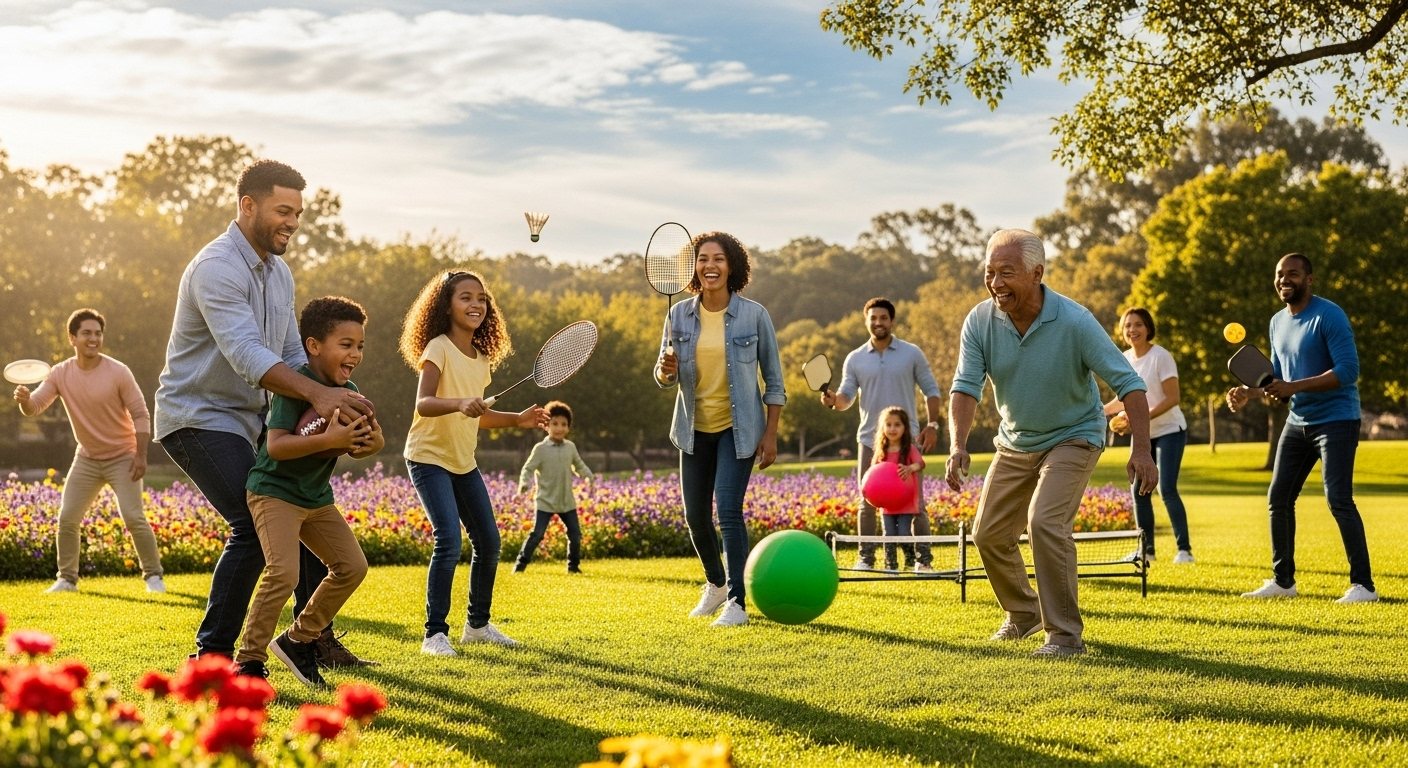
In our fast-paced, digital-first world, it’s all too easy for families to fall into a routine of screen time, sedentary habits, and feeling perpetually “on” without truly connecting. If you and your loved ones are experiencing a collective slump – feeling bored, listless, and perhaps a little out of sync – it’s time for a magnificent transformation. The solution isn’t hidden in a new app or another streaming service; it’s waiting for you just beyond your front door, or in a local park, or even in your living room: invigorating family sports activities!
Engaging in sports and active play as a family isn’t just about “getting good exercise” – though that’s a colossal benefit. It’s about reigniting joy, building unbreakable bonds, fostering resilience, and creating a vibrant, shared history that no screen can ever replicate. In an era where physical activity levels are a growing concern for both children and adults, transforming your collective leisure into an active, shared pursuit is more vital than ever. It’s time to swap those digital devices for durable sports gear, trade the couch for the court, and rediscover the pure, unadulterated fun of movement together. Let’s dive into how sports activities can become your family’s most cherished and revitalizing pastime.
The Irresistible Allure of Active Family Play in the Modern Age
The call to “get up off the couch, put down that soda” still resonates, but in 2026, it might be more accurately rephrased as “log off the gaming console, close the laptop, and silence the social media notifications.” The fundamental need for human connection and physical exertion, however, remains timeless. Family sports activities are a powerful antidote to the isolation and inertia that can creep into modern life. They offer a multifaceted approach to well-being, touching every aspect of what makes a family thrive.
Think about the profound impact: your blood gets pumping, your muscles engage, and your cardiovascular system gets a much-needed workout. Beyond the immediate physical benefits – enhanced stamina, improved strength, better coordination, and a healthier weight – there’s a cascade of mental and emotional advantages. Studies consistently show that physical activity can significantly reduce stress, combat symptoms of anxiety and depression, and boost cognitive function. For children, it’s crucial for healthy development, improving concentration, problem-solving skills, and even academic performance. For adults, it provides an essential escape from daily pressures, a renewed sense of energy, and an opportunity to model healthy habits for the next generation.
But the magic truly happens in the “family” aspect. When you play together, you’re not just exercising; you’re communicating, laughing, strategizing, and collaborating. You’re witnessing each other’s strengths and vulnerabilities, offering encouragement, and celebrating small victories. These shared experiences forge stronger bonds, create inside jokes, and build a reservoir of positive memories that will last a lifetime. Recent reports indicate that families who engage in regular shared activities often report higher levels of satisfaction and closer relationships. It’s a beautiful feedback loop: the more you play, the happier and more connected you become.
Timeless Classics: Revitalizing Backyard Favorites for Today’s Families
Some games never go out of style, offering simple yet profound joy and fantastic exercise. The beauty of these classics lies in their accessibility and adaptability, making them perfect for all ages and skill levels.
Touch Football: Beyond the Yard Line
Touch football, often played informally in a backyard or local park, is more than just a game; it’s a rite of passage for many families. It’s an exhilarating way to get everyone running, strategizing, and laughing. Forget the helmets and pads; this version emphasizes agility, speed, and teamwork over brute force, making it safe and enjoyable for kids and adults alike. A simple game of touch football can transform a lazy afternoon into a burst of energy and camaraderie. It teaches quick decision-making, spatial awareness, and the importance of working together to achieve a common goal.
Modern Twist: Consider “Flag Football” for a slightly more structured, yet still non-contact, variation. Flag football leagues are increasingly popular for youth, offering a stepping stone into organized sports while retaining the fun, accessible nature of touch football. You can easily adapt the rules for a family game by using simple fabric flags tucked into waistbands. This adds an extra layer of challenge and strategy, as players must focus on grabbing flags rather than just touching opponents. For inspiration on rules and safety, authoritative sources like NFL Flag Football offer excellent resources for getting started with youth-friendly versions of the game. Always ensure a clear playing area, agree on boundaries, and encourage good sportsmanship.
Kickball: The Universal Game of Joy
If the complexities of throwing a football aren’t quite hitting the mark for your youngest players or those less athletically inclined, kickball is your family’s ultimate equalizer. The beauty of kickball lies in its simplicity and inclusivity. All you need is a large, soft playground ball and a makeshift “diamond” – four bases set up in a square, similar to baseball. The pitcher rolls the ball gently along the ground, and the “batter” (kicker) launches it with their foot. The fielding team then attempts to get the runner out by tagging them with the ball or throwing the ball at them (softly, of course!) to “peg” them. Since the ball is soft and almost everyone can manage a kick, foul balls are rare, keeping the game flowing and engagement high.
Kickball is fantastic for developing gross motor skills, hand-eye/foot-eye coordination, and strategic thinking in a low-pressure environment. It’s a game where every family member, from the smallest toddler attempting their first kick to the grandparent enjoying a leisurely stroll around the bases, can feel like a superstar. The laughter is infectious, and the shared excitement of a home run (or simply making it to second base!) is truly priceless.
Tetherball: A Whirlwind of Fun and Focus
For a game that generates continuous motion and heaps of laughter, look no further than tetherball. This rousing activity, perfect for one or two players, centers around a ball attached to a rope (the “tether”) which is tied at the top of a pole. The ball hangs roughly at hand level. The objective is delightfully straightforward: each player attempts to hit the ball in opposing directions, aiming to wrap the rope completely around the pole. The first one to achieve this wins the point.
Tetherball is a fantastic workout for quick reflexes, hand-eye coordination, and strategic hitting. It gets you moving, twisting, and reaching, providing a surprisingly vigorous cardio blast. But perhaps its greatest benefit is the sheer, unadulterated joy it sparks. The rapid back-and-forth, the frantic attempts to change the ball’s direction, and the inevitable mis-hits often lead to uncontrollable giggles. If you’ve never experienced the addictive fun of tetherball, you absolutely should give it a try. Many homes now feature portable tetherball sets, making it an easy backyard addition, or you can often find poles installed in public parks.
Sand Volleyball: Bringing the Beach Vibe to Your Backyard
While sand volleyball may have its iconic origins on sun-kissed beaches, its popularity has led many towns and public parks to install dedicated sand volleyball courts, bringing this invigorating activity closer to home. The feeling of soft sand beneath bare feet adds a unique, delightful sensory experience to the game (just remember to keep your shoes off if you don’t want a sandy surprise!).
Sand volleyball is a fantastic way to enjoy a dynamic team sport that’s generally lower impact on joints compared to hard courts, thanks to the forgiving surface. It encourages communication, agility, and quick reactions. For families, it’s incredibly versatile: the littlest kids can safely play with their sand toys nearby, building castles and digging treasures, while Mom, Dad, and the older children volley a beach ball or a lightweight volleyball back and forth over the net. No need for professional skills; the goal is simply to keep the ball in the air and have fun. It’s a wonderful way to enjoy the outdoors, soak up some sunshine, and engage in energetic play together. Check your local park and recreation department for court availability, or consider a portable net for your own spacious backyard.
Badminton: The Graceful Volley
Often considered a delightful cross between volleyball and tennis, badminton offers a more leisurely yet still engaging pace for family sports. In this elegant game, players use lightweight rackets to volley a “birdie” (also known as a shuttlecock) back and forth over a net. The birdie, typically a plastic funnel attached to a firm rubber ball, has a unique flight pattern that makes the game both challenging and accessible. You serve by holding the birdie by its plastic base and dropping it onto your racket, sending it soaring over the net to the opposing side.
Badminton is a fantastic choice for families seeking exercise without the high-impact intensity of some other sports. It’s superb for improving hand-eye coordination, agility, and strategy, all while keeping a comfortable rhythm. It moves more slowly than tennis, making it an excellent option for mixed-skill groups, yet still ensures you’ll get a good workout, involving plenty of reaching, lunging, and quick footwork. Plus, badminton sets are generally inexpensive and portable, making it easy to set up in a backyard, a park, or even a spacious indoor area. As an Olympic sport, it also has a level of sophistication that can inspire older kids to develop their skills further. For more on the sport, including rules and equipment, visit a resource like Badminton World Federation.
Expanding Horizons: New & Modern Family Sports for 2026
Beyond the classics, the landscape of family-friendly sports has expanded beautifully. These activities embrace new trends, accessibility, and the desire for diverse forms of active engagement.
Pickleball: The Fastest-Growing Phenomenon
If you haven’t heard of pickleball yet, you’re about to! This incredibly addictive paddle sport is officially the fastest-growing sport in America, and for good reason. It combines elements of tennis, badminton, and ping-pong, played on a smaller court with a solid paddle and a plastic ball with holes. The rules are easy to learn, making it instantly accessible for all ages and fitness levels. It’s often said that you can learn the basics of pickleball in 10 minutes, but spend a lifetime mastering it.
Pickleball offers a fantastic blend of cardiovascular exercise, agility, and strategic thinking. Its smaller court size means less running than tennis, but the quick volleys and strategic placement keep players constantly engaged. It’s incredibly social, often leading to lively conversations and new friendships on the court. Many communities are rapidly converting tennis courts or building new dedicated pickleball courts, making it increasingly easy to find a place to play. For more information and to find local courts, reputable sources such as USA Pickleball offer comprehensive guides. It’s truly a game that bridges generations, allowing grandparents to play energetically alongside their grandchildren.
Disc Golf: Nature, Movement, and Precision
For families seeking an activity that combines physical movement with a love for the outdoors, disc golf is an absolute winner. Often described as “golf with a frisbee,” disc golf involves throwing a specialized disc (like a frisbee) from a tee area towards a target, typically a metal basket. The goal, much like traditional golf, is to complete each “hole” in the fewest throws possible.
Disc golf courses are usually set in beautiful parklands, forests, or open fields, offering a wonderful opportunity to connect with nature while getting exercise. It’s a low-impact sport that requires walking, throwing, and problem-solving. It teaches patience, precision, and strategy, and it’s remarkably affordable to get started – a few discs are all you need. Entire families can play together, regardless of age or athletic ability, making it a perfect outing for a Sunday afternoon. It’s also a fantastic way to explore new parks and trails in your area. Organizations like the Professional Disc Golf Association (via UDisc, a popular app) can help you locate courses near you and learn the rules.
- 01
- 02
- 03
- 04
Family Cycling Adventures: Exploring on Two Wheels
Cycling is another fantastic way for families to get active together, offering both exhilarating exercise and the chance to explore your surroundings. From leisurely rides along scenic park paths to more adventurous outings on dedicated bike trails, there’s a cycling experience for every family. It’s a superb cardiovascular workout that strengthens legs and improves endurance, all while enjoying fresh air and changing scenery.
The beauty of family cycling lies in its versatility. You can start with short rides around the neighborhood, gradually building up to longer distances or more challenging terrains. Kids can ride their own bikes, while younger children can be comfortably accommodated in bike seats, trailers, or even on “tag-along” bikes attached to an adult’s bicycle. Emphasize safety with helmets for everyone, proper bike maintenance, and adherence to traffic rules. Many cities and towns are developing extensive networks of bike-friendly paths, making it easier and safer than ever to hit the road (or trail) together. Resources from organizations dedicated to bicycle safety and advocacy can provide invaluable tips, such as those found at the League of American Bicyclists.
Hiking and Nature Walks: The Path to Serenity and Strength
Sometimes, the most invigorating family pastime doesn’t require a ball or a net, but simply a pair of comfortable shoes and a sense of adventure. Hiking and nature walks offer an incredible opportunity to combine physical activity with the restorative power of the natural world. Whether it’s a gentle stroll through a local arboretum or a more challenging climb up a mountain trail, these activities provide a full-body workout and a profound sense of peace.
Hiking burns calories, strengthens muscles, and improves balance and coordination. But its benefits extend far beyond the physical. Spending time in nature has been shown to reduce stress, improve mood, boost creativity, and enhance overall mental well-being. It’s an ideal setting for family conversations, spotting wildlife, or engaging in fun activities like nature scavenger hunts. Equip yourselves with water, snacks, and appropriate gear, and always check trail conditions before you go. Many national and state parks offer a variety of trails suitable for families of all ages and abilities. The National Park Service website is an excellent starting point for discovering trails near you.
Active Video Games & VR Fitness: Screen Time, but with a Twist
While the initial advice was to “put down that soda” and “get off the couch,” the reality of modern life means screens are often part of our children’s (and our own) entertainment landscape. The good news is that technology has evolved to offer active alternatives! “Exergames” and VR fitness platforms provide engaging ways to move and sweat indoors, especially on rainy days or when outdoor options are limited.
Think Nintendo Switch Sports, Ring Fit Adventure, or VR rhythm games like Beat Saber. These games require players to physically move, jump, swing, and dance, turning screen time into an active workout. They can be a fantastic gateway for less enthusiastic movers to discover the joy of physical activity in a familiar, comfortable setting. While they shouldn’t replace outdoor play entirely, they offer a valuable tool in a family’s active lifestyle toolkit, making physical activity fun and accessible, often with competitive or cooperative multiplayer modes that enhance family bonding through shared digital adventures.
Beyond the Scoreboard: Cultivating Joyful Participation
Kids are naturally energetic and active, making sports activities inherently attractive to them. When parents actively participate, they not only get their much-needed exercise but also role-model positive behaviors and spend invaluable quality time with their children. This dynamic engagement isn’t just a “good idea”; it’s a powerful investment in collective well-being.
One of the most profound benefits of family sports is the hormonal rush it provides. Exercise is a potent mood enhancer, stimulating the release of endorphins – the body’s natural feel-good chemicals. These endorphins, alongside other positive neurotransmitters, contribute to feelings of euphoria, reduced pain perception, and an overall sense of well-being. So, when your family plays together, everyone’s brain is flooded with these “happy hormones,” naturally putting everyone in a better mood. This isn’t just anecdotal; science consistently supports the link between physical activity and improved mental health. Recent research, often highlighted by organizations like the World Health Organization, emphasizes the critical role of physical activity in promoting psychological resilience and happiness.
However, it’s crucial to remember the “fun” aspect. While a little friendly competition can add spice, the primary goal of family sports should always be enjoyment and connection, not cutthroat victory. Don’t get so competitive that your family pastime ceases to be a source of joy and becomes a source of stress or resentment. The objective isn’t to raise Olympic athletes (unless that’s a genuine shared passion!), but to foster a lifelong love of movement, teamwork, and spending time together.
Instead of focusing solely on winning, emphasize effort, improvement, and good sportsmanship. Celebrate spectacular misses just as much as brilliant plays. Encourage each other, offer high-fives, and most importantly, laugh together. These shared moments of lighthearted fun and mutual encouragement are what truly strengthen family bonds and create cherished memories. The family that plays together, truly does stay together – not just physically, but emotionally and psychologically.
Practical Strategies for a Vibrant, Active Family Life
Embarking on a journey to infuse more sports and active play into your family’s routine doesn’t require an overhaul, but rather a series of thoughtful, consistent steps. Making physical activity a natural, enjoyable part of daily life is the key to sustained success and long-term well-being.
Start Small and Build Momentum
You don’t need to commit to a marathon or a competitive league overnight. Begin with manageable, short bursts of activity. A 15-minute game of catch in the backyard, a quick kickball match before dinner, or a leisurely walk around the block can be excellent starting points. Consistency is more important than intensity, especially when initiating new habits. Gradually increase the duration or challenge as your family’s fitness levels and enthusiasm grow. The goal is to make activity feel like a natural extension of family time, not a chore.
Involve Everyone in the Choice
One of the most effective ways to ensure enthusiastic participation is to give every family member a voice in choosing activities. Sit down together and brainstorm ideas. Maybe one child is passionate about soccer, another wants to try rollerblading, and a parent remembers the joy of frisbee. Creating a rotating schedule where different family members get to pick the activity can keep things fresh and exciting, ensuring everyone feels invested and heard. This collaborative approach also teaches valuable lessons in compromise and respecting diverse interests.
Prioritize Safety and Inclusivity
Before any activity, ensure safety is paramount. This includes proper warm-ups to prevent injuries, wearing appropriate gear (helmets for biking, comfortable athletic shoes for running), staying hydrated, and being aware of your surroundings. For outdoor activities, check weather forecasts and adjust plans accordingly. Equally important is fostering an inclusive environment. Adapt rules to accommodate different ages and abilities. For instance, younger kids might get an extra “kick” in kickball, or everyone might agree to play “left-handed only” in badminton for a laugh. The emphasis should always be on participation and fun, ensuring no one feels left out or intimidated.
Embrace Spontaneity and Creativity
While some structured activities are wonderful, don’t underestimate the power of spontaneous play. A sudden urge to race to the mailbox, an impromptu dance-off in the living room, or a creative backyard obstacle course built from household items can be just as invigorating and memorable. These moments foster creativity, problem-solving skills, and a playful spirit. Keep a “play kit” readily available with a few balls, jump ropes, or frisbees, so inspiration can strike at any moment.
Make It a Ritual, Not a Task
Integrate active play into your family’s weekly rhythm. Designate a “Family Fun Hour” on weekends, commit to an evening walk after dinner, or plan a regular trip to a local park. When physical activity becomes a consistent ritual, it ceases to be something you “have to do” and transforms into something you “get to do” – a cherished part of your shared life. These consistent efforts reinforce the idea that physical activity is a valuable and enjoyable component of overall well-being.
The Enduring Legacy of an Active Family
As we navigate the complexities of modern life, the simple, profound act of engaging in sports and active play as a family stands out as a beacon of joy, health, and connection. It’s an investment that pays dividends across every facet of family life – from robust physical health and enhanced mental well-being to unbreakable bonds and a treasure trove of shared memories.
The input content wisely notes, “Some say that the family that plays together stays together.” This sentiment, far from being an outdated cliché, resonates with profound truth in 2026. The shared laughter, the mutual encouragement, the collective effort, and the unscripted moments of pure delight create a foundation of connection that can weather any storm. By actively choosing to move, play, and explore together, families cultivate a culture of vitality, resilience, and enduring happiness.
So, take a deep breath, gather your loved ones, and commit to making active play a central theme of your family’s narrative. Whether it’s a nostalgic game of kickball, the strategic volleys of pickleball, a peaceful disc golf outing, or a spontaneous backyard dance party, the most important thing is to move together, laugh together, and grow together. The path to a healthier, happier, and more connected family isn’t just a destination; it’s a vibrant journey, one active step at a time.
- 01
- 02
- 03
- 04
- 05
- 06
- 07
- 08
0 Comments