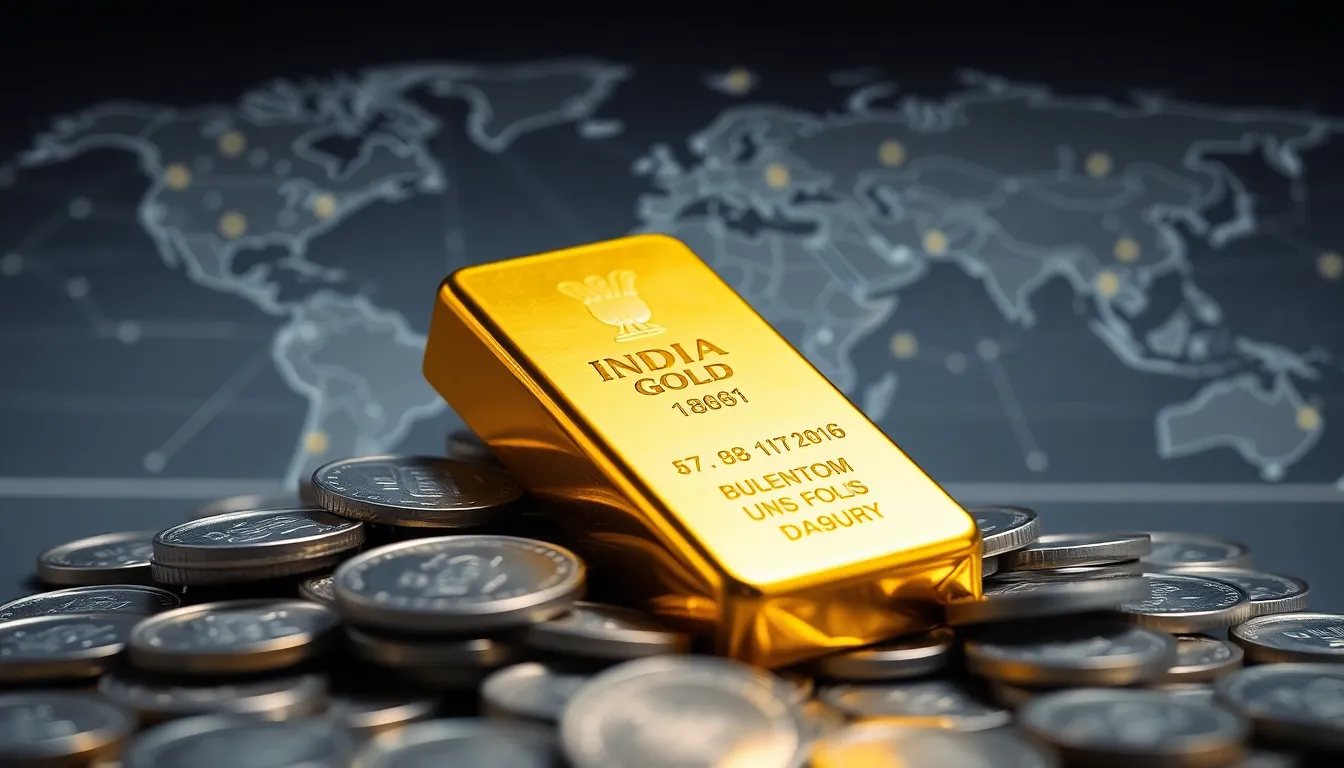
The gold and silver prices have recently ascended to historic highs across India, signaling a significant shift in investor sentiment and market dynamics. This remarkable surge is not an isolated event but rather a consequence of a complex interplay between global economic forecasts, escalating geopolitical tensions, and evolving fiscal policies. As the world navigates an uncertain economic climate, precious metals like gold and silver are increasingly sought after as robust hedges against potential volatility and as reliable stores of value. Understanding the multifaceted drivers behind this upward trend is crucial for anyone looking to comprehend the current state of the precious metals market.
The Meteoric Rise of Gold and Silver Prices in India
The Indian precious metals market is currently experiencing a significant surge, with gold and silver prices reaching unprecedented highs. This upward trajectory isn’t a mere market fluctuation but a complex interplay of global economic indicators, geopolitical instability, and evolving investor sentiment. As uncertainty clouds international relations and economic forecasts, investors are increasingly turning to traditional safe-haven assets like gold and silver, seeking refuge from potential volatility.
Why Are Gold and Silver Prices Soaring?
Federal Reserve’s Interest Rate Outlook
A primary catalyst for the ascent of gold and silver prices is the growing anticipation of a Federal Reserve interest rate cut, potentially by September. When interest rates decline, holding non-yielding assets like precious metals becomes more attractive compared to interest-bearing investments. This shift in attractiveness naturally drives demand and, consequently, prices upward. The Fed’s monetary policy decisions are closely watched, as they have a profound impact on global capital flows and asset valuations.
The expectation of lower interest rates reduces the opportunity cost of holding gold, which doesn’t pay dividends or interest. This makes it a more appealing store of value when fixed-income investments yield less. Consequently, speculative buying and investment inflows into gold and silver ETFs often increase during periods of anticipated rate cuts.
Geopolitical Tensions and Investor Hedging
The current global landscape is fraught with geopolitical tensions, from regional conflicts to trade disputes. Such instability breeds uncertainty, prompting investors to seek assets that can preserve wealth. Gold and silver, historically recognized as safe havens, are benefiting immensely from this flight to safety. Their value tends to rise when broader market confidence wanes, acting as a crucial hedge against unforeseen global events.
These geopolitical risks create a climate of fear and uncertainty, driving investors away from riskier assets like equities and towards the perceived security of precious metals. The more significant the perceived threat, the greater the demand for gold and silver as a hedge against potential economic disruptions, currency devaluation, or asset depreciation.
Economic Indicators and Currency Fluctuations
Subdued inflation figures and a weakening U.S. dollar further bolster the appeal of precious metals. When inflation is under control or currency values decline, the purchasing power of money erodes, making tangible assets like gold and silver more desirable as a store of value. The inverse relationship between the U.S. dollar and gold prices means a weaker dollar often translates to higher gold prices, particularly for international buyers.
A declining dollar makes gold cheaper for holders of other currencies, increasing global demand. Moreover, low inflation suggests that the real return on cash or low-risk investments might not keep pace with inflation, making gold’s role as an inflation hedge more prominent. This confluence of factors creates a supportive environment for precious metal prices.
Legal and Political Developments
Beyond economic factors, legal and political developments are also playing a role. Legal challenges surrounding trade policies, such as those concerning former President Trump’s tariffs, and debates about the autonomy of central banks can introduce an element of unpredictability. This added layer of uncertainty increases investor demand for assets perceived as stable and reliable, further enhancing the allure of gold and silver.
Disputes over trade policies and central bank independence can signal potential economic instability or shifts in regulatory landscapes. Investors, wary of these developments, often diversify their portfolios by allocating a portion to precious metals, anticipating that they will retain their value or even appreciate during periods of legal and political upheaval.
Factors Influencing Gold Prices in India
Domestic Market Dynamics
While global trends significantly impact gold prices, domestic factors in India also play a crucial role. International market rates form the base, but import duties, central and state taxes, and currency exchange rate fluctuations are key determinants of the final price consumers pay. These domestic levies and currency movements can create a spread between international and local gold prices.
The structure of India’s gold market, which includes large import duties and various taxes, means that domestic prices can diverge from global benchmarks. Fluctuations in the Indian Rupee against the U.S. Dollar directly affect the landed cost of imported gold, influencing retail prices. Understanding these layered influences is vital for traders and consumers alike.
Cultural Significance and Investment Appeal
Gold holds immense cultural and financial significance in India, deeply embedded in traditions, festivals, and life events like weddings. It is viewed not just as an adornment but as a vital investment asset and a symbol of prosperity. This deep-rooted cultural acceptance ensures consistent demand, which, combined with market forces, influences its price dynamics throughout the year.
The cultural importance of gold in India translates into a unique demand pattern. During festive seasons and wedding months, demand typically spikes, creating upward pressure on prices. This consistent underlying demand, driven by cultural practices, provides a stable floor for gold prices, even amidst broader market volatility, making it a cornerstone of household savings and investments.
- 01
- 02
- 03
- 04
Navigating the Dynamic Gold Market
The Indian gold market is characterized by constant flux, influenced by a confluence of international economic trends, geopolitical events, and domestic cultural and economic factors. For investors and traders, staying informed about these multifaceted influences is paramount. Monitoring daily fluctuations, understanding the drivers behind price movements, and recognizing the interplay between global and local markets are essential for making sound investment decisions and effectively navigating this dynamic landscape.
The Enduring Allure of Precious Metals
In conclusion, the current record highs in gold and silver prices reflect a complex global economic and geopolitical environment. The anticipation of Fed rate cuts, coupled with ongoing international uncertainties and domestic cultural demand, creates a potent mix driving investor interest. As a hedge against inflation, currency devaluation, and geopolitical risks, gold and silver continue to demonstrate their enduring value as critical components of a diversified investment portfolio, particularly within the culturally rich Indian market.
|
Key Factor |
Impact on Gold/Silver Prices |
Explanation |
|
Federal Reserve Rate Cut Expectations |
Increases Prices |
Lower interest rates reduce the opportunity cost of holding non-yielding assets like gold, making them more attractive. |
|
Geopolitical Uncertainty |
Increases Prices |
Investors flock to gold and silver as safe-haven assets during times of global instability and conflict. |
|
U.S. Dollar Weakness |
Increases Prices |
A weaker dollar makes gold cheaper for buyers using other currencies, boosting demand. |
|
Inflation Concerns |
Increases Prices |
Gold is seen as a hedge against inflation, preserving purchasing power when currency values decline. |
|
Indian Import Duties & Taxes |
Increases Prices (Domestic) |
These factors add to the base international price, determining the final retail cost in India. |
|
Indian Rupee Exchange Rate |
Influences Prices |
Fluctuations in the INR against the USD affect the cost of imported gold, impacting local prices. |
|
Cultural Demand in India |
Supports Prices |
Strong demand for gold during festivals and weddings provides a consistent underlying market support. |
|
Legal & Political Developments |
Increases Prices |
Uncertainty from trade disputes or central bank debates drives demand for stable, safe-haven assets. |
From our network :
- Python Pivot Table Sort using pivottablejs
- Django Data Migration: Safely Transferring Model Data
- C# HTML Parsing Regex: A Better Approach Than Regular Expressions
- Probability Cause and Effect Problem
- Understanding the Celestial Sphere: A Guide to Navigating the Cosmos
- Least Significant and Most Significant Bit
- 01
- 02
- 03
- 04
- 05
- 06
- 07
- 08
0 Comments