


The 2008 Mardakert Clashes: Understanding the Nagorno-Karabakh Conflict's Volatility
- Aug 24, 2025
- 7 min read
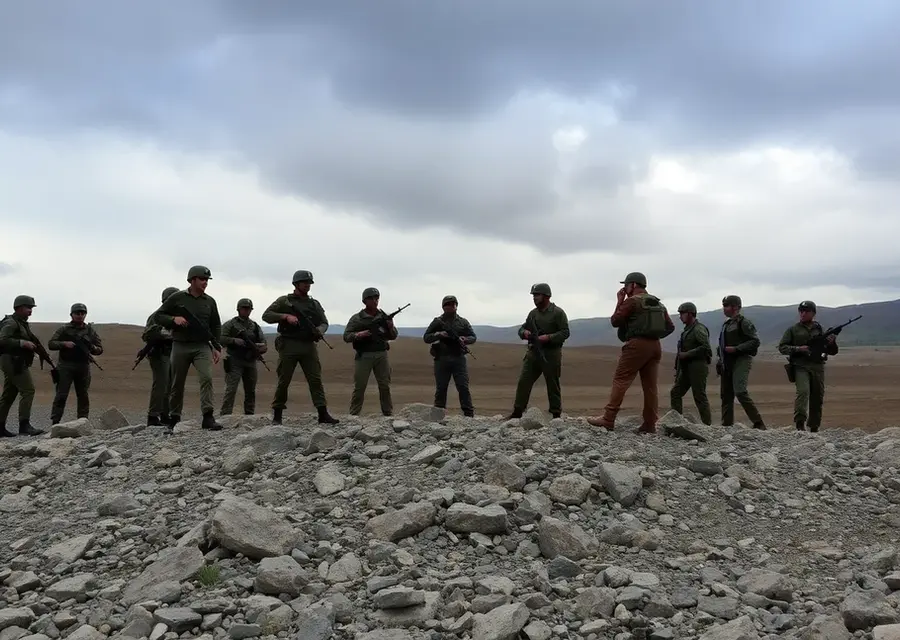
The 2008 Mardakert clashes serve as a critical juncture in the long-standing Nagorno-Karabakh conflict, a dispute deeply entwined with the post-Soviet geopolitical landscape. These confrontations, occurring in the shadow of Armenia's 2008 election protests, represented the most significant military engagement since the 1994 ceasefire, highlighting the persistent fragility of peace in the region. Understanding the nuances of these clashes, including the conflicting narratives and international responses, is essential for grasping the enduring complexities of this protracted territorial dispute. The events of 2008 offer a stark reminder of the volatile nature of the South Caucasus and the ongoing challenges to achieving lasting stability.
Unpacking the 2008 Mardakert Clashes: A Deep Dive into the Nagorno-Karabakh Conflict
The 2008 Mardakert clashes represent a significant flashpoint in the enduring Nagorno-Karabakh conflict, a territorial dispute with deep historical roots between Armenia and Azerbaijan. These clashes, occurring in the immediate aftermath of the 2008 Armenian presidential election protests, marked the most intense period of fighting since the 1994 ceasefire that concluded the First Nagorno-Karabakh War. The events of March 2008 underscored the fragility of the peace process and the persistent tensions simmering beneath the surface of the de facto ceasefire. Understanding the context, the accusations, and the international reactions to these clashes is crucial for comprehending the broader geopolitical landscape of the South Caucasus region.
The Genesis of Conflict: Post-Soviet Tensions and the Nagorno-Karabakh Question
The dissolution of the Soviet Union in 1991 ushered in an era of profound political and territorial realignments across the former Soviet space. In the Nagorno-Karabakh Autonomous Oblast, an Armenian-majority region within Azerbaijan SSR, this period saw the intensification of a long-standing aspiration for self-determination. The region's parliament had voted to unify with Armenia in February 1988, a move met with strong opposition from Azerbaijan. This escalating political tension, fueled by ethnic grievances and nationalist sentiments, soon erupted into full-scale warfare.
The First Nagorno-Karabakh War: A Brutal Prelude
The conflict, which spanned from February 1988 to May 1994, was characterized by intense fighting, widespread displacement, and significant human cost. Both Armenia and Azerbaijan were drawn into a protracted, undeclared war as Azerbaijan sought to maintain control over Nagorno-Karabakh, while the enclave's Armenian population pursued independence or unification with Armenia. The war saw substantial territorial gains by Armenian forces, who by the 1994 ceasefire controlled not only Nagorno-Karabakh but also significant portions of surrounding Azerbaijani territories. This military advantage, however, came at a steep price, with hundreds of thousands displaced on both sides and an estimated 25,000 to 35,000 lives lost.
The Fragile Ceasefire and Lingering Resentments
The May 1994 ceasefire, brokered by Russia and overseen by the OSCE Minsk Group, brought a halt to the large-scale hostilities but did not resolve the underlying political issues. The period following the ceasefire was marked by sporadic violations, skirmishes, and a lack of substantive progress in peace negotiations. The deep-seated animosity and mistrust between the two communities, coupled with the unresolved territorial claims, meant that the region remained a volatile flashpoint. The demographic shifts and the legacy of ethnic cleansing claims further complicated any potential for lasting peace, leaving a legacy of unresolved grievances that would continue to shape future events.
Armenian Election Protests and the Spark for Renewed Hostilities
The 2008 Mardakert clashes were precipitated by a period of significant internal political turmoil in Armenia. Following the presidential elections in February 2008, widespread protests erupted in Yerevan, alleging electoral fraud. These demonstrations, initially peaceful, escalated into clashes between protestors and law enforcement, leading to a state of emergency and a crackdown on media freedom. This internal instability within Armenia created a perceived window of opportunity for Azerbaijan to assert its claims over Nagorno-Karabakh.
Exploiting Internal Unrest: Accusations and Counter-Accusations
Armenian sources contended that Azerbaijan sought to exploit the internal unrest in Armenia to advance its territorial agenda. They alleged that Baku aimed to capitalize on Yerevan's preoccupation with domestic issues to provoke border incidents and potentially regain control over territories lost in the First Nagorno-Karabakh War. Conversely, Azerbaijani sources placed the blame on Armenia, suggesting that the Armenian government was using the border clashes to divert attention from its own domestic political challenges and to consolidate its control over the disputed region.
The Kosovo Precedent and Azerbaijan's Assertiveness
Coinciding with the 2008 clashes was the international recognition of Kosovo's independence. Azerbaijan's President Ilham Aliyev drew a parallel between Kosovo's secession and the situation in Nagorno-Karabakh, suggesting that Kosovo's independence emboldened Armenian separatists. This statement, coupled with Azerbaijan's significant military build-up in the years preceding the clashes, signaled an increased assertiveness in its foreign policy and a willingness to consider military action to resolve the conflict. Aliyev's remarks indicated a strategic intent to leverage regional and international developments to bolster Azerbaijan's position.
The Clashes Erupt: March 4, 2008
On March 4, 2008, the simmering tensions along the Line of Contact erupted into open conflict. The initial engagement, according to Armenian sources, involved Azerbaijani forces attacking Armenian positions near the village of Levonarkh in the Mardakert region. These positions were briefly captured but subsequently recaptured by Armenian forces. The ensuing skirmishes were characterized by the use of heavy artillery, as claimed by the Armenian side, indicating a significant escalation in the intensity of the fighting.
Conflicting Narratives of the Engagements
The accounts of the March 4 engagements from the Armenian and Azerbaijani sides presented starkly different versions of events. Armenian sources reported that eight Azerbaijani servicemen were killed and seven wounded, with two Armenian servicemen sustaining injuries. They also claimed that Azerbaijani forces retreated, leaving behind armaments. In contrast, the Azerbaijani Ministry of Defense asserted that Armenian forces initiated the attack on Azerbaijani positions in the Tartar district. Their reports indicated a higher casualty count, with twelve Armenian servicemen killed and four wounded, alongside eight Azerbaijani servicemen killed and four wounded.
Casualties and Disputed Figures
The discrepancy in casualty figures became a prominent feature of the reporting on the 2008 Mardakert clashes. Azerbaijan officially announced the names of four killed servicemen, while also claiming twelve Armenian deaths and fifteen wounded. Armenia, on the other hand, maintained that eight Azerbaijani soldiers were killed and seven wounded, with only two Armenian soldiers injured and no fatalities. These conflicting reports highlighted the difficulty in obtaining verified information from the conflict zone and the propensity for each side to present casualty figures that supported their respective narratives.
International Reactions and Diplomatic Efforts
The 2008 Mardakert clashes prompted swift reactions from the international community, underscoring the global concern over the stability of the South Caucasus region. Various international bodies and individual nations issued statements urging restraint and adherence to the ceasefire, while also emphasizing the need for a peaceful resolution through diplomatic channels.
The United Nations' Stance: Resolution 62/243
In the aftermath of the clashes, the United Nations General Assembly took action, adopting Resolution 62/243 on March 14, 2008. This resolution, passed with a significant majority (39 in favor, 7 against), called for the immediate withdrawal of all Armenian forces from occupied territories. While the resolution reflected the international community's concern, its non-binding nature meant its impact on the ground was limited. It nonetheless served as a formal expression of the UN's position on the territorial integrity of Azerbaijan.
Statements from Key International Actors
Several key international players issued statements reflecting their positions on the conflict. The U.S. State Department expressed concern, highlighting the need for a negotiated settlement. Russia, a major player in the region, voiced serious concern about the military clashes, emphasizing its commitment to preventing escalation into larger-scale combat that could spill into neighboring areas. The OSCE Minsk Group co-chairs, representing France, Russia, and the United States, called upon both parties to restore confidence, cease confrontations, and redouble efforts to endorse the basic principles for a peaceful resolution, including drafting a peace agreement based on proposals made in 2007.
The Ongoing Impact and Legacy of the 2008 Clashes
The 2008 Mardakert clashes, while not leading to a full-scale war, served as a stark reminder of the unresolved nature of the Nagorno-Karabakh conflict. The events of that period exacerbated mistrust between Armenia and Azerbaijan and demonstrated the continued potential for military escalation, even amidst a formal ceasefire. The international community's response, while expressing concern, ultimately failed to provide a decisive breakthrough in the peace process.
The Blockade of Nagorno-Karabakh and Subsequent Tensions
Following the 2008 clashes, the situation remained tense, with periodic ceasefire violations continuing. The blockade of Nagorno-Karabakh, a key element of the ongoing dispute, intensified in subsequent years, leading to humanitarian concerns and further complicating diplomatic efforts. These ongoing tensions culminated in further clashes, including the September 2022 events, which saw a significant escalation of hostilities. The blockade significantly impacted the region's economy and the daily lives of its inhabitants, creating a humanitarian crisis.
Lessons Learned and the Path Forward
The 2008 Mardakert clashes underscore the critical need for sustained diplomatic engagement and a genuine commitment to peace from all parties involved. The conflicting narratives and disputed casualty figures highlight the importance of transparent reporting and fact-finding mechanisms in conflict resolution. Moving forward, any lasting solution must address the core issues of territorial integrity, self-determination, and the rights of all communities affected by the conflict, ensuring a stable and prosperous future for the entire region.
The Final Solution: Achieving Lasting Peace in Nagorno-Karabakh
Achieving a lasting peace in Nagorno-Karabakh requires a multifaceted approach that goes beyond immediate de-escalation. It necessitates addressing the deep-seated historical grievances, ensuring the rights and security of all populations, and fostering a climate of mutual trust and respect. The international community must play a more robust role in facilitating dialogue, mediating disputes, and supporting reconstruction and reconciliation efforts. Ultimately, a durable peace will depend on the political will of Armenia and Azerbaijan to prioritize diplomacy and find common ground for a shared future, moving beyond the cycle of conflict and reprisal.
Aspect | Details |
Event | 2008 Mardakert Clashes |
Context | Post-2008 Armenian election protests; heaviest fighting since 1994 ceasefire. |
Armenian Accusation | Azerbaijan exploiting internal unrest in Armenia. |
Azerbaijani Accusation | Armenia diverting attention from domestic issues. |
UN Resolution | Resolution 62/243 adopted March 14, 2008, demanding immediate withdrawal of Armenian forces. |
First Nagorno-Karabakh War | February 1988 – May 1994; resulted in Armenian control of Nagorno-Karabakh and surrounding territories. |
Ceasefire | May 1994, brokered by Russia; largely held but with periodic violations. |
Key International Actors' Response | US: Concerned, emphasized negotiated settlement. Russia: Concerned, committed to preventing escalation. OSCE Minsk Group: Urged restraint, confidence-building, and peace agreement drafting. |
Casualty Discrepancies | Conflicting reports from Armenian and Azerbaijani sides regarding numbers killed and wounded. |
Azerbaijani President's Statement | Ilham Aliyev linked Kosovo's independence to Armenian separatism and stated readiness to retake region by force. |


Comments