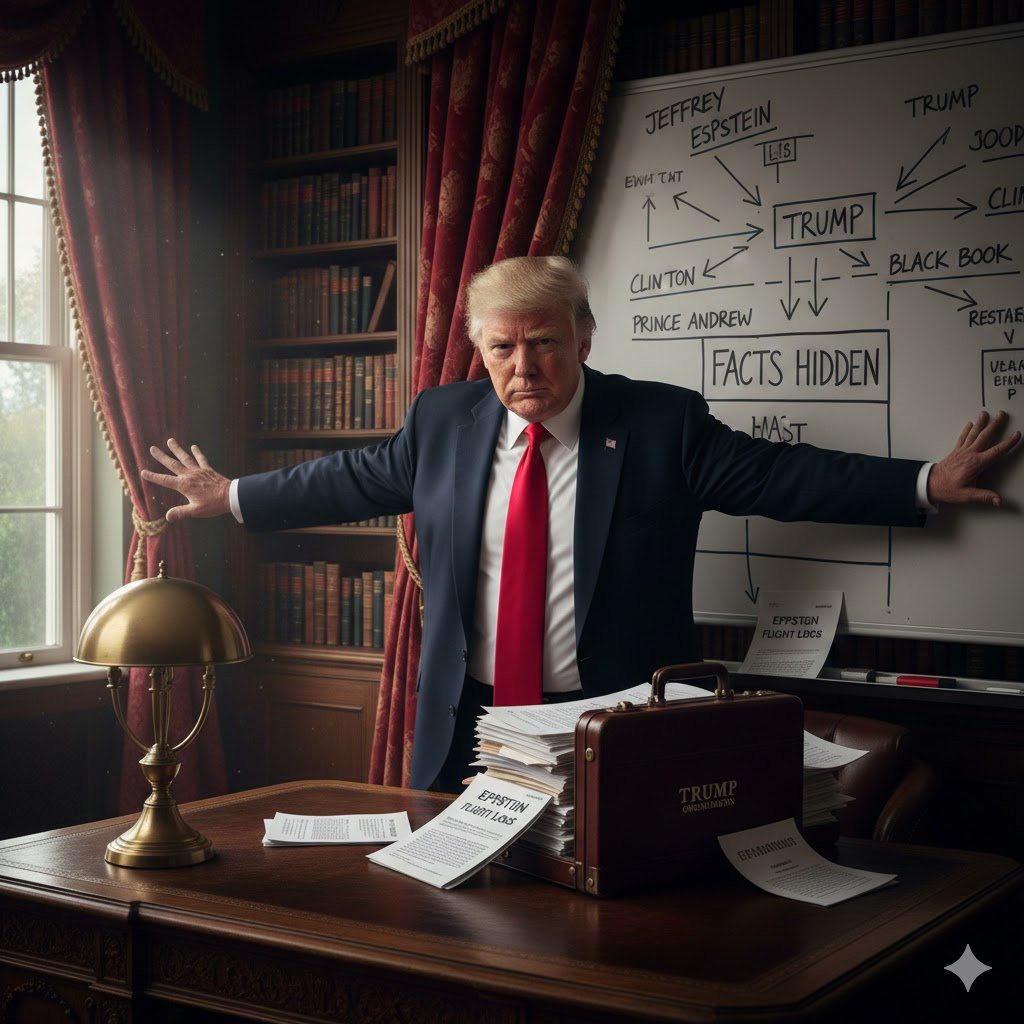
Modern political landscapes often resemble complex theatrical stages where every movement is calculated to produce a specific reaction from the global audience. Within this intricate environment, the Trump Political Strategy has frequently utilized high-stakes international maneuvers to command the 24-hour news cycle effectively. By understanding how these narratives are constructed, observers can begin to decode the underlying intentions behind seemingly impulsive executive decisions during critical periods.
The efficacy of these tactical shifts relies heavily on the psychological principle of cognitive overload, where the public is presented with too many stories. When the Trump Political Strategy introduces a flamboyant foreign policy objective, it successfully resets the national conversation, pushing inconvenient truths to the background. This article examines the specific instances where geopolitical stunts were deployed to safeguard political reputation against mounting domestic legal pressures.
The Concept of Trump Political Strategy and Diversion
The fundamental core of the Trump Political Strategy revolves around the mastery of public attention as a finite and highly valuable resource. By dominating the airwaves with provocative statements and radical policy proposals, an administration can effectively dictate what the citizenry discusses at the dinner table. This method of governance prioritizes the immediate impact of a headline over the long-term nuances of diplomatic or economic policy outcomes.
To understand this phenomenon, one must look at how diversionary tactics have evolved in the digital age of social media and instant news. The Trump Political Strategy leverages the speed of information to create a series of rapid-fire events that leave little room for deep investigative scrutiny. This creates a protective barrier of “new news” that shields the political figure from the lingering shadows of past controversies.
Historical Context of Distraction
Throughout history, leaders have used external conflicts to unify a fractured domestic base or to hide internal failings from the public eye. The Trump Political Strategy draws upon these ancient techniques but adapts them for a world where viral content is the primary currency of power. By identifying a foreign adversary or a bold territorial ambition, a leader can successfully pivot the national focus instantly.
In the past, such maneuvers were often slow to develop, involving lengthy diplomatic build-ups and formal declarations that the public could track. However, the modern Trump Political Strategy utilizes the spontaneity of modern communication to launch these diversions without warning, catching the media off guard. This suddenness is essential because it forces news outlets to react to the new development rather than investigating existing scandals.
By studying the “wag the dog” scenario, we see how military or diplomatic posturing can serve as a convenient smokescreen for personal misconduct. The Trump Political Strategy excels at this by creating scenarios that appear to be matters of urgent national security or economic survival. Consequently, the public feels compelled to pay attention to the new “crisis,” effectively forgetting the previous day’s damaging reports and legal filings.
Media Manipulation and Framing
The media plays an involuntary but crucial role in the success of the Trump Political Strategy by prioritizing ratings and clicks over depth. When a president makes an outrageous claim about purchasing a sovereign territory or threatening a foreign nation, the media must report it. This inherent bias toward the sensational allows the administration to flood the zone with noise, making it difficult for truth to emerge.
Framing is another essential component where the Trump Political Strategy redefines a negative situation into a battle of ideologies or national pride. Instead of addressing specific allegations of misconduct, the narrative shifts toward a struggle against globalist entities or unfair foreign trade practices. This shift encourages supporters to rally behind the leader, viewing any criticism of the domestic scandal as an attack on the country.
The constant cycle of breaking news ensures that no single story, no matter how damaging, can maintain its grip on the public. The Trump Political Strategy exploits this short attention span by ensuring that there is always something newer and louder to discuss. This systematic approach to information management turns the news cycle into a weapon that can be used to bury unfavorable facts under sensational headlines.
Psychological Impact on Voters
From a psychological perspective, the Trump Political Strategy taps into the human tendency to focus on immediate threats rather than abstract legal issues. When voters are told that their economic security is at risk due to foreign tariffs, their survival instincts take precedence over ethics. This emotional engagement makes the diversionary tactic highly effective, as it bypasses logical reasoning and targets the core fears of people.
Furthermore, the Trump Political Strategy creates a sense of “us versus them,” which reinforces tribal loyalty among the political base during times of crisis. When a leader is perceived to be fighting for the nation on the global stage, their personal flaws are often overlooked or forgiven. This psychological shielding is a primary goal of the diversion, ensuring that the leader’s popularity remains stable despite scandals.
Cognitive dissonance also plays a role, as supporters find it easier to believe in a grand geopolitical vision than to face uncomfortable truths. The Trump Political Strategy provides a narrative that is much more appealing and heroic than the gritty details of a criminal investigation. By offering a story of national greatness, the administration provides a psychological exit ramp for those who wish to remain loyal.
Analyzing the Trump Political Strategy in Venezuela and Iran
The escalations regarding Venezuela and Iran serve as prime examples of how the Trump Political Strategy utilizes war rhetoric to dominate headlines. By positioning the United States on the brink of significant international conflict, the administration creates a sense of national urgency that demands total media coverage. These maneuvers are often timed to coincide with domestic developments that could otherwise damage the president’s standing or legacy.
Foreign policy, in this context, becomes a tool for domestic political survival rather than a means of achieving long-term stability in distant regions. The Trump Political Strategy recognizes that the average citizen is more likely to follow a potential war story than a complex legal proceeding. This prioritization allows the executive branch to control the narrative and project an image of strength and decisive leadership.
Foreign Policy as a Shield
Utilizing foreign policy as a shield is a sophisticated element of the Trump Political Strategy that effectively silences domestic critics within the government. When an administration is engaged in sensitive negotiations or military posturing, questioning the leader can be framed as unpatriotic or dangerous to troops. This creates a political environment where the president is temporarily insulated from the usual checks and balances of democracy.
In the case of Venezuela, the sudden push for regime change provided a dramatic backdrop that painted the president as a champion of democracy. This Trump Political Strategy maneuver successfully redirected the energy of both the media and the political opposition toward a geopolitical debate. While the world watched the borders of South America, the focus on internal investigations into the administration’s past conduct significantly diminished.
The strategic use of sanctions and diplomatic pressure serves a similar purpose by creating a continuous stream of minor updates that keep journalists busy. The Trump Political Strategy ensures that the administrative machinery is constantly producing “news” that requires reporting, leaving little time for investigative journalism. This constant motion creates an illusion of productivity and focus that masks the underlying desire to avoid various personal scandals.
The War Rhetoric Narrative
War rhetoric is perhaps the most potent tool in the Trump Political Strategy arsenal because of its ability to evoke strong emotional responses. By using aggressive language toward Iran, the administration signaled a potential for high-stakes conflict that dominated every major news network for weeks. This narrative of impending war is so consuming that it leaves virtually no room for other stories to gain traction.
The brilliance of the Trump Political Strategy lies in the fact that the conflict does not necessarily need to result in actual kinetic warfare. The mere threat of violence and the movement of military assets are sufficient to create the desired media circus and public distraction. This “brinkmanship” allows the leader to appear as a tough negotiator while successfully avoiding the fallout from domestic legal challenges.
Furthermore, the war rhetoric narrative allows the administration to label any dissenting voices as weak or complicit with the enemy’s interests. This Trump Political Strategy effectively polarizes the debate, making it a matter of national security rather than a discussion about the president’s character. By shifting the goalposts, the administration ensures that the public remains focused on the external threat rather than the internal scandal.
Global Geopolitical Consequences
While these stunts may serve a domestic purpose, the Trump Political Strategy often results in significant and unpredictable global geopolitical consequences for the nation. Allies may become confused or alienated by sudden shifts in policy that seem to be driven by personal political needs rather than strategy. This erosion of trust can weaken international coalitions and diminish the global standing of the United States over time.
In the Middle East, the aggressive stance toward Iran, dictated by the Trump Political Strategy, created a volatile environment that threatened global oil prices. Such actions have real-world impacts that extend far beyond the immediate news cycle, affecting the lives of millions of people worldwide. The cost of these diversions is often paid by the international community, which must navigate the resulting instability and uncertainty.
Ultimately, the Trump Political Strategy prioritizes short-term domestic gain over the long-term health of international relations and global security frameworks. By treating the world stage as a backdrop for personal reputation management, the administration risks creating lasting damage to the diplomatic fabric. This approach demonstrates a fundamental shift in how foreign policy is viewed, transforming it into a mere extension of political marketing.
- 01
- 02
- 03
- 04
Greenland and Trade Tariff Strategies
The proposal to purchase Greenland and the frequent “cries” for increased tariffs are unique manifestations of the Trump Political Strategy aimed at economic nationalism. These ideas are often so outside the norm of traditional policy that they generate an immediate and massive wave of media attention. Whether or not these proposals are feasible is secondary to their ability to shock the system and change the subject.
These economic stunts are particularly effective because they touch on themes of sovereignty, national wealth, and the protection of the American worker. The Trump Political Strategy uses these themes to build a populist narrative that resonates with a specific segment of the electorate. By appearing to be a bold dealmaker, the president can maintain a high level of engagement and support from his base.
The Greenland Purchase Proposal
The suggestion that the United States should purchase Greenland was a masterclass in the Trump Political Strategy of using the absurd to distract. Because the idea was so unexpected and seemingly ridiculous to many, it sparked a global conversation that lasted for several days. This diverted attention from more serious allegations by replacing them with a debate over the feasibility of territorial acquisition in the modern era.
Critics and late-night hosts spent hours dissecting the Greenland proposal, which was exactly what the Trump Political Strategy intended to happen. Every minute spent discussing the purchase of an island was a minute not spent discussing the president’s alleged connections to the Epstein scandal. This trade-off is the essence of the diversionary tactic, where the quantity of coverage is more important than the quality.
Even though the deal never materialized, the Trump Political Strategy achieved its primary goal of dominating the narrative and demonstrating a “think big” mentality. To his supporters, the president was showing ambition and a desire to expand American influence, regardless of the criticism from the elite. This reinforces the image of a disruptor who is not bound by the traditional rules of international diplomacy or common sense.
Economic Warfare via Tariffs
The use of tariffs as a form of economic warfare is a recurring theme in the Trump Political Strategy that keeps the markets on edge. By announcing new taxes on imports, the president creates an immediate crisis that affects global trade, forcing every financial news outlet to focus on the story. This creates a sense of constant motion and conflict that is central to the administration’s public identity.
Tariffs are an effective Trump Political Strategy because they allow the leader to claim he is fighting for the “forgotten man” against foreign exploiters. This populist framing is very difficult for political opponents to counter without appearing to support foreign interests over American ones. Consequently, the debate stays centered on trade and the economy, moving away from the more damaging personal or legal scandals.
The volatility caused by these tariff announcements also serves to overwhelm the public’s ability to process other information about the administration’s conduct. When people are worried about the price of goods or the health of their 401(k)s, they have less mental energy for scandals. The Trump Political Strategy exploits this economic anxiety to ensure that the president remains the central figure in every citizen’s daily life.
Deviating from Domestic Scandals
The timing of these economic and territorial stunts often correlates perfectly with the emergence of damaging evidence in various domestic legal investigations. Whenever a witness comes forward or a document is released, the Trump Political Strategy triggers a new international “incident” or economic threat. This pattern suggests a highly coordinated effort to manage the flow of information and protect the president’s public image.
By creating a “crisis of the week,” the Trump Political Strategy ensures that no single investigation can gain the momentum needed to reach a tipping point. The public becomes fatigued by the constant barrage of news, leading to a state of apathy where all stories seem equally important or unimportant. This environment is ideal for a leader who needs to survive a sustained period of intense legal and ethical scrutiny.
Ultimately, the deviation from domestic scandals is about survival and the preservation of the political brand at all costs to the nation. The Trump Political Strategy treats the presidency not as a position of public service, but as a platform for constant self-promotion and defense. In this framework, every policy decision is evaluated based on its ability to distract the public and protect the leader’s reputation.
The Epstein Scandal and the Trump Political Strategy
The most significant domestic shadow looming over the administration during these periods was the unfolding Epstein scandal and its potential connections. The Trump Political Strategy needed to be at its most aggressive to prevent the media from digging too deeply into past associations. By saturating the news with Venezuela, Iran, and Greenland, the administration successfully limited the airtime dedicated to these uncomfortable questions.
Understanding the Epstein connection is vital to seeing why the Trump Political Strategy was so focused on creating international distractions during that specific timeframe. The goal was to ensure that the president’s name was not synonymous with the disgrace of the scandal, but rather with global leadership. This transition from a defensive posture to an offensive one is a hallmark of the administration’s approach to crisis management.
Understanding the Epstein Scandal
The Epstein scandal involved a complex web of high-profile individuals, and any mention of the president’s name in that context was potentially catastrophic. To counter this, the Trump Political Strategy focused on creating a series of unrelated but equally “big” stories to compete for the headlines. This competition for attention is a strategic way to dilute the impact of a single, highly damaging narrative on the public.
When the details of the scandal began to dominate the news, the Trump Political Strategy responded by escalating tensions with foreign adversaries and proposing radical policies. This created a bifurcated news cycle where the “serious” geopolitical news often outweighed the “tabloid” nature of the scandal in the eyes of many. This hierarchy of news allows a leader to maintain a veneer of presidential dignity despite the surrounding controversy.
The strategy also involved attacking the credibility of the media outlets that were reporting on the scandal, labeling them as biased or fake. This Trump Political Strategy of delegitimizing the messenger is a standard tactic used to protect the leader from the consequences of the message itself. By creating a cloud of doubt around the reporting, the administration makes it easier for supporters to dismiss the allegations entirely.
Media Cycle and Public Memory
The Trump Political Strategy relies on the fact that public memory is incredibly short, especially in an era of constant digital stimulation and noise. By moving from one stunt to the next, the administration ensures that the previous scandal is quickly replaced by a new, more urgent story. This rapid turnover makes it almost impossible for the public to maintain a sustained focus on any single issue.
As the media cycle moved from Venezuela to Iran to Greenland, the Epstein scandal was pushed further down the list of trending topics. This is the ultimate goal of the Trump Political Strategy: to make the scandal a “yesterday’s news” item that no longer feels relevant to the current conversation. Once a story loses its “breaking” status, it loses its power to influence the broader public opinion significantly.
Even when new developments in the scandal arose, they were often drowned out by the noise of the administration’s latest geopolitical maneuver or tweet. The Trump Political Strategy creates a chaotic information environment where only the loudest voices are heard, and the loudest voice is usually the president’s. This dominance of the narrative is the key to surviving a scandal that would have ended the careers of many others.
Long-term Political Viability Strategies
The long-term goal of the Trump Political Strategy is to ensure the president’s political viability by consistently reframing his actions as those of a strong leader. By surviving these scandals through diversion, the administration builds a narrative of invincibility that appeals to a base that values strength above all. This perception of being “un-cancelable” becomes a core part of the political brand and a shield against future attacks.
In the end, the Trump Political Strategy transformed the way we view the relationship between policy and personal reputation in the modern political era. It showed that with enough noise and a willingness to break traditional norms, a leader can successfully navigate even the most treacherous scandals. This legacy of diversion and distraction will likely influence how future politicians handle crises and manage their public images.
Whether this strategy is sustainable in the long run remains a topic of intense debate among political scientists and historians around the world. However, in the short term, the Trump Political Strategy proved to be an effective, albeit controversial, method of maintaining power and protecting a name. The lesson is clear: in the battle for public opinion, the one who controls the distraction often controls the ultimate outcome.
- 01
- 02
- 03
- 04
- 05
- 06
- 07
- 08
0 Comments