


Ukraine peace negotiations: Trump-Putin Pivot Reshapes Diplomacy
- Sep 5, 2025
- 5 min read
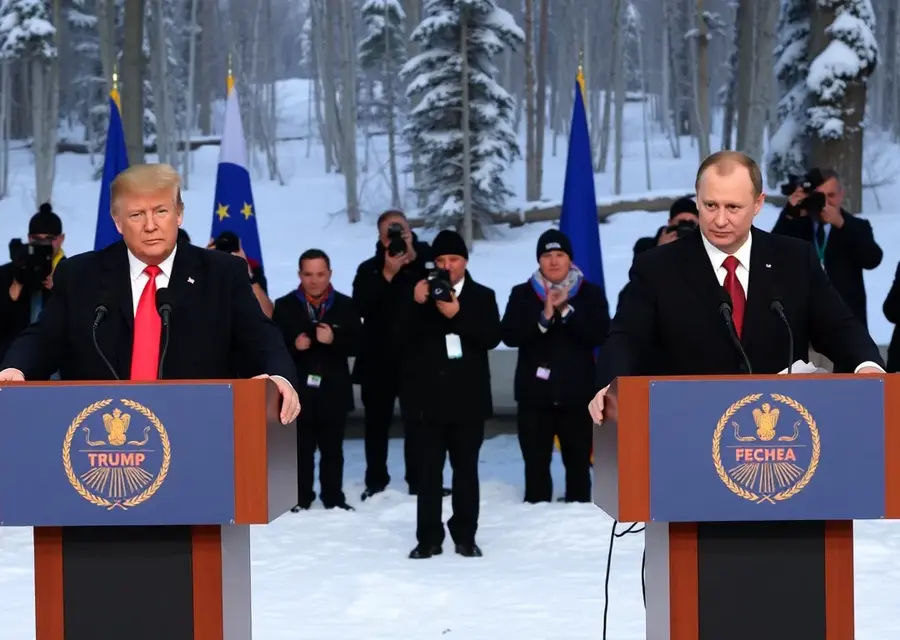
Ukraine peace negotiations have shifted in unexpected directions as global actors recalibrate their leverage and rhetoric. The latest disclosures suggest a pivot that could prize a negotiated settlement over immediate ceasefire, a move that stirs both cautious optimism and sharp skepticism. The balance between urgency and durability now hinges on how well assurances, timelines, and sovereign rights are reconciled in practice.
As players recalibrate, the story expands beyond the podium. Media reporting sketches a landscape where private assurances, public diplomacy, and the tempo of talks will recalibrate the economics of war, alliance politics, and the fate of Donbas, raising questions about sovereignty, deterrence, and regional stability.
Ukraine peace negotiations: Shifting dynamics and the risk of misalignment
In a volatile mix of diplomacy and pressure, the Ukraine peace negotiations are moving in an unexpected direction that unsettles traditional timelines. What was once a linear sequence of talks now resembles a chess game where leverage and optics matter as much as concessions.
What follows is an analysis of how voices from Washington to Kyiv and Moscow shape the emerging framework, and where misreads could derail a path toward lasting stability.
Contextual forces shaping the talks
The Donbas question remains central, with both sides testing the boundaries of what a negotiated settlement can cover. While some negotiators push for a phased withdrawal and security guarantees, others insist that any arrangement must respect Ukraine's sovereignty and border integrity, presenting a spectrum rather than a single blueprint.
Media leaks and public statements have added complexity, turning timetable risks into strategic variables. The risk of rushing a deal could undermine deterrence, while cautious pacing might prolong instability and invite new rounds of bargaining over compliance mechanisms.
Donbas and territorial questions in the balance
Territorial concessions, even limited, would trigger domestic backlash in Kyiv and among Western partners; yet a framework that includes phased recognition or demilitarized zones could appear as a concession to an aggressor, complicating the domestic narrative in Ukraine.
Donbas remains a litmus test for credibility; any agreement must address security guarantees, borders, and eventual sovereignty, balancing concessions with robust international oversight and a clear path to accountability if commitments falter.
Assessing Trump-Putin realignments: Implications for diplomacy
Global diplomacy faces a surprising recalibration as Trump signals a greater openness to Putin's frame for peace talks. The rhetoric suggests a shift toward deal-first dynamics, raising questions about how quickly a ceasefire might be superseded by a broader settlement.
These moves complicate alignments with Ukraine's allies and demand a careful read of both domestic and international signals that influence long-term strategy, deterrence, and legitimacy on the world stage.
Policy signals and strategic misreads
Trump's statements indicate a potential pivot toward prioritizing a negotiated outcome, which could compress the time window for a ceasefire and place pressure on Zelensky's negotiating stance and public messaging.
From Moscow's perspective, the pivot may unlock a broader diplomatic cadence with Washington, but it risks undermining Western unity if penalties or sanctions relief appear untethered from verifiable progress or if trust erodes among Kyiv's partners.
The domestic calculus in Washington and Moscow
In Washington, policy trade-offs between electoral considerations, alliance credibility, and humanitarian concerns shape how the administration responds to Putin's approach and to European pressure.
In Moscow, signaling a readiness for a broader settlement could be a strategic gambit to secure concessions on security guarantees, sanctions relief, or regional influence, even as it strains the coherence of the US-European stance on Ukraine.
Ceasefire vs. peace deal: strategic calculus and guardrails
The debate now centers on whether a ceasefire can gain traction or if a full peace agreement is the objective, and what guardrails might prevent a relapse into conflict. The choice shapes risk, timing, and the credibility of international commitments.
The following subsections unpack the incentives, timelines, and potential pitfalls of each path, emphasizing that durable outcomes depend on credible enforcement and transparent verification mechanisms.
Ceasefire constraints and incentives
Ceasefires offer immediate relief from casualties and create space for diplomacy, but they require robust monitoring and clear enforcement to avoid strategic violations or unilateral pauses by any side.
Without verifiable daylight between parties, a ceasefire can become a tactical pause that fails to translate into strategic gains, potentially allowing aggression to resume under the cover of silence and ambiguous commitments.
A durable agreement or a tactical pause?
A durable peace requires credible security assurances, verifiable compliance, and a framework that transcends military frontlines, including international legitimacy and long-term guarantees for sovereignty and territorial integrity.
A tactical pause, by contrast, may buy time for stabilization and negotiations but risks postponing hard choices and leaving underlying tensions unresolved, thereby limiting the resilience of any settlement.
European allies and the road ahead: cohesion under pressure
European partners face scrutiny as they balance sanctions, diplomacy, and the politics of public opinion. The next moves will test whether unity can withstand shifting narratives from Washington and Moscow alike.
The coming days will test cohesion, communications, and the ability to translate words into concrete actions that reinforce Ukraine's sovereignty while safeguarding broader regional stability.
Sanctions, diplomacy, and credibility
Sanctions remain a primary instrument of pressure, but credible flexibility—carefully bound to verifiable progress—could enhance leverage without signaling weakness.
Diplomatic channels must stay open, with ongoing coordination among the UK, France, Germany, and other partners to align messages, avoid mixed signals, and sustain a credible path toward a negotiated settlement that respects international law.
Prospects for trilateral formats and the role of Kyiv
A trilateral format involving Putin, Zelensky, and Trump could reshape the negotiation dynamics, but only if Kyiv remains empowered to demand essential sovereignty terms and robust security guarantees.
Kyiv's agency remains central; external actors can catalyze talks, but cannot substitute for Ukraine's strategic choices, legitimacy, and resilience in the face of aggression.
Key Takeaways
The evolving Ukraine peace negotiations reveal a landscape where shifting alliances, credible guarantees, and domestic politics intersect to shape outcomes. A balanced approach—one that preserves sovereignty, enforces accountability, and maintains allied unity—appears essential for turning negotiations into durable stability.
As the next rounds unfold, sustained coordination among Kyiv, Washington, and European capitals will determine whether diplomacy can translate into lasting peace or merely a paused episode in a longer struggle over influence and borders.
Aspect | Insight |
Context | Donbas, sovereignty, and the shifting emphasis from a strict ceasefire to a potential peace framework |
Key Players | Trump, Putin, Zelensky, and European leaders shaping the negotiation dynamics |
Risks | Premature concessions could erode deterrence; failure to verify commitments risks renewed conflict |
Opportunities | New diplomatic channels and international guarantees could provide a durable settlement if correctly engineered |
Policy Levers | Sanctions, security assurances, and verification mechanisms are central to any credible agreement |


Comments