Unlock Sustainable Income: Your Guide to a Paper Recycling Business
- Dec 18, 2025
- 14 min read
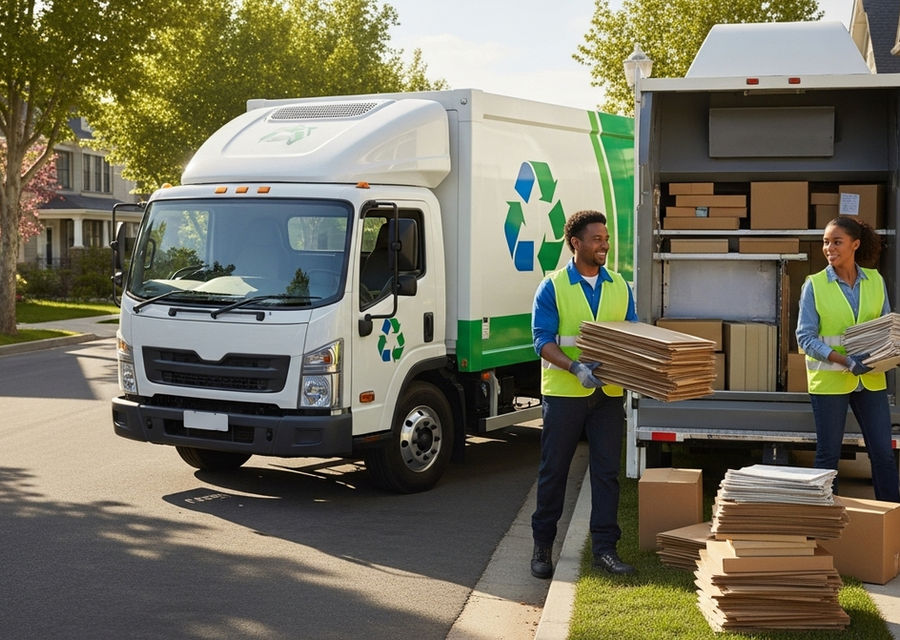
In an era increasingly defined by environmental consciousness and the pursuit of supplementary income, a surprising opportunity often lies hidden in plain sight: the paper and cardboard piled up in our homes and businesses. What if these common discards could be transformed not just into renewed resources, but into a consistent and scalable source of revenue? This guide delves into the practicalities of launching and growing a paper recycling collection service, turning a simple community need into a thriving, eco-friendly enterprise.
The journey from accumulating old newspapers in your garage to establishing a full-fledged recycling depot might seem extensive, but it's a path paved with incremental steps, each offering both financial reward and a profound positive impact on the environment. Far from being a relic of past entrepreneurial endeavors, the demand for recycled materials, particularly fiber, remains robust, fueled by global manufacturing needs and a growing commitment to circular economy principles. By approaching this venture with organization, dedication, and a modern business mindset, you can tap into a market that offers significant potential for sustainable income.
The Untapped Potential in Your Neighborhood
Walk through any residential area, peek into garages, or observe the curbside on collection day, and you'll quickly notice an abundance of paper and cardboard waste. From daily newspapers and weekly flyers to online shopping boxes and office documents, fibrous materials constitute a substantial portion of household and small business refuse. While many communities offer municipal recycling programs, these often operate on fixed schedules or require residents to transport materials to drop-off points, leading to accumulation and, sometimes, disposal into general waste streams due to inconvenience.
This widespread accumulation represents a goldmine of opportunity. Consider the sheer volume: a single household might generate several pounds of paper and cardboard weekly. Multiply that by hundreds or even thousands of homes in a neighborhood, and the potential tonnage for collection becomes immense. The original intention behind paper drives by schools or scout troops highlights this potential, demonstrating that even fragmented, occasional efforts can yield significant quantities. However, these sporadic initiatives only scratch the surface. A systematic, regular collection service offers unparalleled convenience to residents, ensuring that more recyclable material stays out of landfills and enters the reprocessing pipeline.
Beyond the environmental benefits, offering a convenient collection service meets a direct consumer need. Busy households, individuals with limited mobility, or those simply lacking the vehicle space to transport large volumes of recyclables will appreciate a service that takes care of this chore. This convenience factor is a powerful driver for participation and loyalty, forming the bedrock of a sustainable collection business. Understanding this fundamental need is the first step in envisioning your role not just as a collector, but as a valued community service provider.
Beyond the School Drive: A Personal Enterprise
The concept of collecting recyclables often conjures images of ad-hoc school fundraisers or intermittent community drives. While these efforts are commendable, they rarely translate into a consistent personal income. The true potential lies in transforming this occasional activity into a structured, reliable enterprise. Starting small, perhaps by focusing on your immediate street or block, allows you to build momentum and refine your operational model without significant upfront investment.
Initially, the income from your own household's accumulated paper might seem negligible. Selling a few pounds of old newspapers won't make a significant dent in your monthly expenses. However, the picture changes dramatically when you scale this effort. Imagine securing commitments from even a fraction of the homes in your neighborhood to provide their recyclables weekly or bi-weekly. A "ten-pound stack" from each house, collected consistently, quickly adds up to hundreds of pounds, then tons. This is where the side hustle begins to morph into a genuine revenue stream.
The key to this transformation is consistency and a service-oriented approach. Instead of waiting for a collection truck, you become the proactive solution. This regularity not only secures a steady supply of materials but also builds trust and anticipation within the community. When residents know they can count on your service, they are more likely to diligently separate their paper and cardboard, preparing it for your rounds. This shift from passive accumulation to active collection is critical. If executed properly, with diligent planning and consistent effort, a dedicated individual or small team could realistically target earnings of several hundred dollars or more each weekend, laying the foundation for something much larger.
Understanding the Modern Recycling Landscape
The value of recycled paper and cardboard is not static; it's a dynamic market influenced by global demand, supply chain logistics, and the quality of the material. To operate a viable paper recycling service today, it's essential to understand these market dynamics rather than relying on outdated pricing structures. While the original input mentioned rates like $50 per ton for newspapers and $75 per ton for cardboard, these figures are subject to significant fluctuation based on region, current market demand for pulp and paper products, and global economic conditions.
Today, pricing for Old Corrugated Containers (OCC), Mixed Paper, and Newsprint (ONP) can range anywhere from $50 to $200+ per ton at a Material Recovery Facility (MRF) or paper mill, depending on the specifics. Crucially, these prices are typically for clean, sorted, and often baled materials delivered in significant quantities. For smaller, loose quantities collected from individual households, the direct monetary value offered by a recycling plant might be lower, or some facilities might not accept small loads from independent collectors. This necessitates consolidating materials to achieve a marketable volume.
It's imperative to contact local recycling plants or MRFs directly to inquire about their current buying rates, accepted material types, and preferred delivery methods. Some facilities might pay more for sorted, uncontaminated loads (e.g., pure OCC vs. mixed paper), while others might accept commingled fiber but with a lower per-ton rate to account for their sorting costs. They will also specify whether they prefer paper loose, bundled, or sacked. Understanding these nuances is critical for maximizing your income and ensuring a smooth transaction process.
Furthermore, consider the broader spectrum of recyclables. While your initial focus might be paper and cardboard, the infrastructure you establish for collection could later be diversified. Many households also accumulate plastics, glass, and metals that could potentially be integrated into a future, expanded service offering, increasing your revenue streams and enhancing your environmental impact. Staying informed about local and national recycling trends and regulations is paramount for long-term success. The U.S. Environmental Protection Agency (EPA) website offers valuable resources on recycling best practices and market information.
Laying the Groundwork: Organization and Outreach
Establishing a successful paper recycling collection service hinges on meticulous planning and effective community engagement. Before you collect your first load, it's vital to set up your operational base and communicate your service clearly to potential clients.
Storage Solutions
The first practical step is to designate a suitable storage area for the collected materials. Raw paper and cardboard are bulky, and you'll need space to accumulate enough tonnage to make trips to the recycling plant economically viable. A section of your garage, approximately 8 by 12 feet, is an excellent starting point. This space should ideally be dry, protected from the elements, and secure to prevent damage to the materials. If a garage isn't feasible, a sturdy garden shed or even a rented mini-warehouse unit in a central neighborhood location could serve the purpose. When selecting storage, prioritize accessibility for loading and unloading, protection from moisture (which degrades paper value), and security. Good ventilation is also a plus to prevent mold or odors.
Modern Marketing and Outreach
Effective communication is key to building your client base. While traditional print ads in local community newspapers or weekly shopping news still hold some value, modern marketing strategies offer broader reach and efficiency:
Digital Classifieds & Social Media:Platforms like Craigslist, Facebook Marketplace, and local community groups on Nextdoor are invaluable. Post a clear, concise ad offering your service. Use compelling language that highlights convenience and environmental benefit.
Direct Neighborhood Outreach:Personal connection remains powerful. Walk your neighborhood, introduce yourself, and briefly explain your service. A professional flyer or business card can leave a lasting impression. Consider leaving door hangers with your service details.
Partnerships:Approach local small businesses, such as offices, retail stores, or restaurants, that generate significant cardboard waste. Many would be happy to have a reliable service haul away their recyclables, potentially even paying a small fee for the convenience.
Your advertisement or pitch should be professional and informative. Instead of a generic "Junk hauled away," consider something like:
Initial face-to-face visits with neighbors and businesses are crucial for building rapport and explaining the logistics of your service. Outline what materials you collect, how to prepare them (e.g., flattened cardboard, bundled newspapers), and your collection schedule. Some collectors even offer a small monthly incentive (e.g., $5 a month off their own utility bill) if residents consistently have their materials ready for pickup, framing it as a subscription service for waste management rather than a simple transaction for paper value. This model encourages consistent participation.
Building a Collection Route: Efficiency is Key
Once you've secured your initial clients, the next phase involves efficient collection and logistics. This is where your operation transitions from a concept to a tangible service.
Vehicle and Equipment
A reliable vehicle is paramount. While a standard car with a rented open trailer can work for initial weekend rounds, as your volume grows, a pick-up truck or even a small box truck will become invaluable. These vehicles offer greater capacity, reducing the number of trips to the recycling plant and maximizing your collection time. When considering a vehicle, factor in:
Capacity:How much tonnage can it safely carry? Maximizing each trip to the recycling plant is crucial for profitability.
Fuel Efficiency:Routes can be extensive, so fuel costs will be a significant operational expense.
Maintenance:Regular heavy hauling will put strain on the vehicle. Factor in maintenance costs.
Insurance:Ensure your vehicle and operations are adequately insured for commercial activity.
For a typical small operation, a sturdy utility trailer with a capacity of at least one ton (approximately 2,000 lbs) is a good start. As your business scales, upgrading to a larger enclosed trailer or a dedicated box truck will significantly enhance efficiency. Remember to always ensure your vehicle and trailer are roadworthy and comply with local weight and safety regulations.
Team and Route Optimization
The collection process is where manpower and smart planning make a difference. Starting around 9:00 a.m. on Saturdays (or other designated collection days) with a small team can make the process swift and efficient:
Team Composition:Family members, local high school or college students looking for part-time work, or energetic neighbors can form your collection crew. Clearly define roles and responsibilities.
Strategic Routing:Begin with the clients you've already established on your block. This ensures an immediate load and provides momentum. From there, expand your route in an ever-widening ripple, visiting adjacent streets and homes. Utilize mapping tools (e.g., Google Maps, specialized route optimization apps) to plan the most efficient collection path, minimizing travel time and fuel consumption.
Door-to-Door Approach:While one person drives, others can knock on doors (or go to designated pickup spots) to collect prepared materials. A polite, quick inquiry like, "Hello, we're the neighborhood recycling collection service. Do you have any old newspapers or cardboard boxes for us today?" is usually sufficient.
Professional Branding
Visibility and professionalism are essential. Large, clear signs on the sides of your trailer and vehicle are non-negotiable. They serve as free advertising and lend credibility to your operation. A sign reading "Community Paper & Cardboard Recycling Service" or "[Your Business Name] - Eco-Friendly Collection" reinforces your mission and makes you easily identifiable. Consider also branded t-shirts or vests for your team, further enhancing a professional image and trust within the community.
Maximizing Your Weekend Earnings
The core of your business lies in efficient collection and sale of materials. To truly maximize your income, focus on volume, consistency, and smart management.
The Power of Volume
A common pitfall for new collectors is underestimating the importance of volume. Selling a single load of recyclables might offer a taste of "easy money," but it won't sustain a profitable enterprise. The real earnings come from collecting as much material as possible within your operational hours. Every minute spent "gloating" over a small haul is a minute lost that could be dedicated to collecting more. Your goal should be to fill your trailer multiple times if daylight and energy allow, making consecutive trips to the recycling plant or your central storage area.
To illustrate the financial leverage of volume, consider a hypothetical scenario: if your local recycling plant offers an average of $120 per ton for mixed paper and $180 per ton for cardboard, a full truck or large trailer capable of hauling 3 tons of mixed paper and 2 tons of cardboard per trip could generate a gross revenue of:
$$ (3 \text{ tons} \times \$120/\text{ton}) + (2 \text{ tons} \times \$180/\text{ton}) $$
$$ = \$360 + \$360 = \$720 $$
Paying Your Team
Consistency and Expansion
Making regular rounds, ideally weekly or bi-weekly, to the same houses and businesses is key to building a reliable supply chain. Consistency builds habit among your clients and ensures a continuous flow of materials. Once your initial route is optimized and operating smoothly, you'll be ready to expand. This could involve:
Additional Routes:Hiring more teams, each with a car and trailer, to cover new neighborhoods.
Larger Equipment:Investing in a larger truck or trailer that can handle multiple tons per load, further increasing efficiency and revenue per trip.
Commercial Contracts:Targeting larger businesses that generate consistent and substantial volumes of cardboard and paper waste.
After about six months of consistent and expanding operations, you will have accumulated invaluable experience, a solid client base, and a significant understanding of the local market. This foundation positions you perfectly for the next logical step: opening a dedicated recycling depot.
Scaling Up: From Collector to Community Recycling Hub
Transitioning from a mobile collection service to a fixed community recycling depot represents a significant leap in your business's growth. This move solidifies your presence, enhances your service offering, and allows for greater operational scale and income diversification.
Establishing Your Depot Location
A recycling depot essentially moves the accumulation of materials from your personal garage or shed to a dedicated business location. The ideal site will be easily accessible to the public and offer sufficient space for material intake, sorting, and storage. Potential locations include:
Vacant Commercial Spaces:An abandoned service station, a disused car lot, or a corner of a large, underutilized shopping center parking area can be excellent choices. Look for properties with good visibility and easy ingress/egress for both public drop-offs and larger collection trucks.
Industrial or Light Commercial Zones:These areas often have suitable warehouses or yard spaces with appropriate zoning for waste management activities.
When scouting for a location, consider local zoning laws, traffic flow, and proximity to your target demographic. Securing appropriate permits and understanding environmental regulations for waste storage and transfer will be critical at this stage. You might need to consult with your local municipality or environmental agency. The U.S. Small Business Administration (SBA) provides resources for understanding business regulations and permits.
Essential Depot Equipment and Operations
A professional depot requires more than just space:
Scales:A heavy-duty floor scale is essential for accurately weighing incoming materials from the public. For larger commercial loads, a truck scale might be necessary, though these can also be leased. Accurate weighing ensures fair compensation and precise tracking of your inventory.
Shelter/Protection:A quick-set-up tent, a robust awning, or a permanent structure is needed to protect materials from rain and sun, preserving their value.
Material Handling Equipment:Depending on scale, this could range from hand trucks and dollies to balers (for compacting paper/cardboard into dense, marketable bales) and even forklifts for moving large bales or pallets. Balers significantly increase the value of your materials by reducing volume and making them easier to transport.
Payment System:Implement a clear system for paying individuals for their dropped-off recyclables. While some materials might not fetch a high price (e.g., a few cents per pound for mixed paper), offering even a small amount incentivizes community participation. Ensure you have cash on hand or a digital payment method for quick transactions.
Operating hours are also crucial. You might choose to open during peak times, such as weekday afternoons (e.g., 4-6 p.m.) and full Saturdays, to cater to people finishing work or running weekend errands. Advertise your hours widely and be absolutely dependable – consistency builds public trust and reliance on your service.
Becoming a Local Recycling Champion
With a fixed depot, your role expands beyond mere collection; you become a visible pillar of sustainable practice in your community. This presents immense opportunities for branding, community engagement, and further business growth.
Community Engagement and Publicity
Don't be shy about promoting your depot and its mission. Leverage every avenue for publicity:
Promotions:Organize "Recycling Days" with special incentives, partner with local schools for paper drives, or offer small discounts at local businesses for those who recycle with you.
Free Publicity:Engage with local newspapers, radio stations, and online community forums. Share your story – how you're helping the environment, reducing landfill waste, and providing a valuable service. Highlight the economic and ecological benefits.
Education:Host workshops on proper recycling techniques or the journey of recycled paper. Educating the public on the importance and impact of their recycling efforts can foster deeper engagement.
People are increasingly aware of the need for recycling and appreciate initiatives that make it easier. Your depot fills a crucial gap, and you'll be admired not only as a savvy entrepreneur but also as a dedicated environmental steward. This positive community image is invaluable for long-term success.
Expanding Your Reach and Impact
Even with a physical depot, continue your weekend collection rounds. This mobile service complements your depot, reaching those who cannot or prefer not to visit a drop-off point. Moreover, the depot allows you to manage multiple collection teams:
Hire and Manage Teams:Employ additional drivers and collectors to operate separate routes, all feeding into your central depot. This distributed model significantly increases your collection capacity.
Bulk Hauling:With a larger depot accumulating substantial tonnage, you can make fewer, more impactful trips to the industrial recycling plants. A single trip with a large truck or trailer could easily involve selling ten to fifteen tons of paper and cardboard, generating significant revenue per transaction.
Collaborating with the community means making recycling accessible and rewarding. Partner with local schools, businesses, and municipal organizations to run large-scale collection events or set up permanent collection points at their facilities. Such partnerships not only boost your volume but also deeply embed your service within the community's environmental infrastructure. Waste Advantage Magazine is a great industry resource for staying updated on trends and best practices in waste and recycling management.
Financial Considerations and Sustainability
Turning a recycling hobby into a sustainable business requires careful financial planning, a clear understanding of costs, and a vision for long-term growth.
Initial Investment and Operational Costs
Starting small helps manage initial investment. Your primary startup costs will include:
Vehicle & Trailer:Purchase or lease costs, or initial rental fees.
Storage:Rent for a mini-warehouse or modifications to an existing garage.
Marketing:Costs for flyers, local ads, or digital promotion.
Basic Equipment:Heavy-duty gloves, safety gear, perhaps some baling wire or strapping.
Business Registration & Permits:Local business licenses and any environmental permits required.
As you scale to a depot, costs will increase for:
Location Lease/Purchase:Significant expense for the depot site.
Advanced Equipment:Scales, balers, forklifts (purchase or lease).
Utilities:Electricity for balers, lighting, and any office space.
Staffing:Salaries or commissions for depot managers and additional collection teams.
Insurance:Comprehensive commercial liability and property insurance.
Carefully project your cash flow, accounting for revenue from material sales and any service fees, against all operational expenses. Look for grants or funding opportunities specifically for green businesses or sustainable development initiatives, which might help offset startup costs.
Revenue Diversification and Long-Term Growth
To ensure long-term sustainability, consider diversifying your revenue streams:
Commercial Contracts:Secure recurring contracts with businesses, offices, and retail chains that generate large volumes of cardboard and paper. These often offer more consistent income than residential collections.
Specialized Services:Offer secure document shredding services (for a fee) in addition to collection. This adds value for businesses and individuals concerned about privacy.
Expanded Material Streams:Once proficient in paper, consider collecting other high-demand recyclables like certain plastics, metals, or even e-waste, if local regulations and markets permit.
Consulting:As an expert, you could offer recycling consultation services to businesses or community organizations.
The recycling industry is dynamic, constantly evolving with new technologies and market demands. Staying abreast of these changes, investing in efficiency, and maintaining a strong commitment to both financial viability and environmental stewardship will ensure your enterprise not only survives but thrives for years to come.
Conclusion: Paving the Way for a Greener, Richer Future
The journey from a simple idea of collecting old papers to running a successful community recycling enterprise is a testament to the power of initiative and dedication. This business model offers a unique confluence of personal financial gain and significant environmental contribution. By meticulously planning, efficiently operating, and strategically scaling, you can transform what many consider waste into a valuable resource, creating a robust income stream while fostering a more sustainable community.
Starting with local collections and gradually expanding to a full-fledged depot allows for controlled growth and minimizes initial risk. Your commitment to regularity, professionalism, and community engagement will build a loyal client base and a strong reputation. In a world increasingly seeking sustainable solutions, a well-run paper recycling service isn't just a business; it's an essential service that champions resource conservation and local economic empowerment. Embrace the challenge, recognize the opportunity, and become a leader in your community's green transformation – one stack of paper and cardboard at a time.


