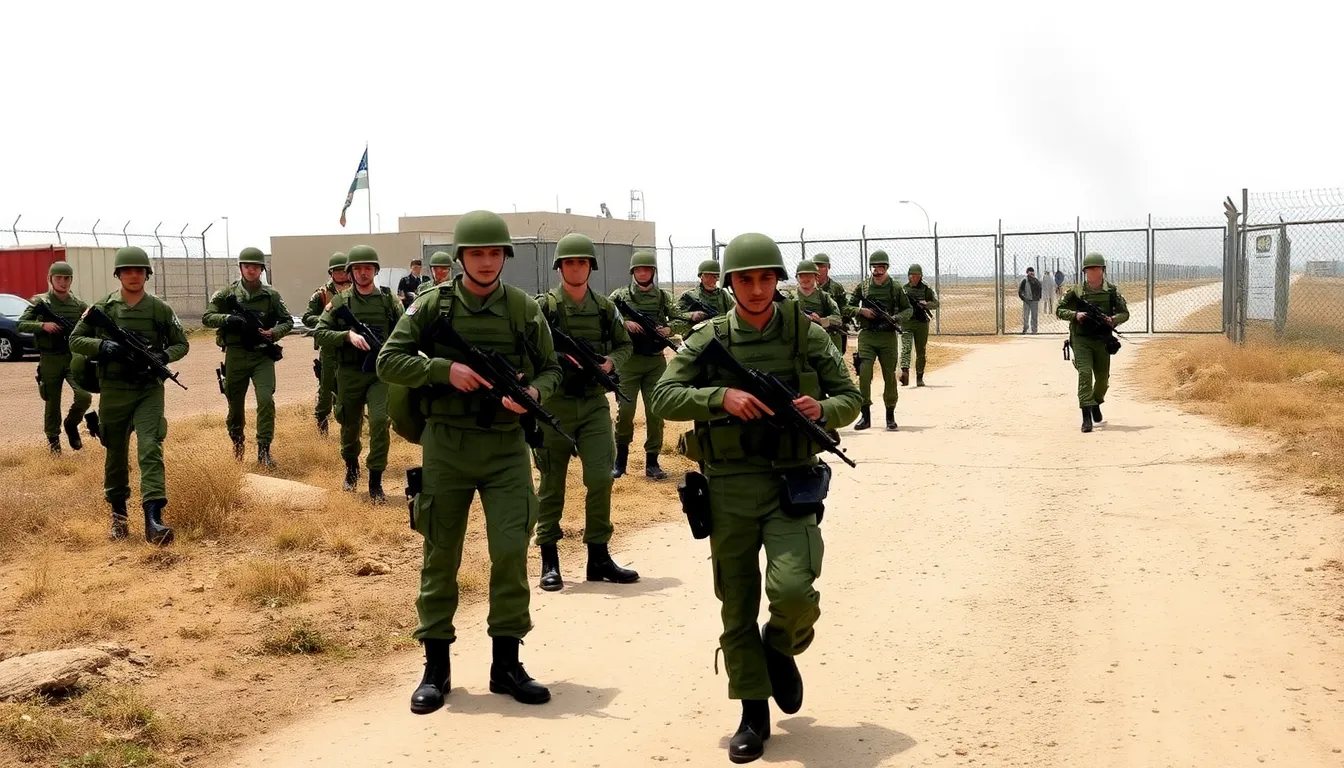
The 2010 Mardakert clashes represent a critical juncture in the Nagorno-Karabakh conflict, highlighting the fragility of the 1994 ceasefire and the persistent tensions along the line of contact. These events, occurring near villages like Chayli and Jraberd, marked the most significant violations of the truce in two years, resulting in casualties and underscoring the deep-seated animosities that continue to define the region’s geopolitical landscape. Examining these clashes offers valuable insights into the military strategies, diplomatic maneuvers, and the enduring impact of unresolved territorial disputes on regional stability.
As we delve into the specifics of these engagements, it becomes evident that the 2010 Mardakert clashes were not isolated incidents but rather symptomatic of a broader pattern of conflict escalation. The differing narratives presented by Armenia and Azerbaijan, coupled with international condemnation, paint a complex picture of a region where peace remains elusive. Understanding the sequence of events, the strategic implications, and the international response is paramount to grasping the ongoing challenges in achieving a lasting resolution to the Nagorno-Karabakh conflict.
The 2010 Mardakert Clashes: A Renewed Spark in a Fragile Peace
The year 2010 witnessed a significant escalation of tensions along the Nagorno-Karabakh contact line, marking a severe breach of the 1994 ceasefire. These clashes, particularly those near the village of Chayli in the Mardakert region, represented the most serious violations of the long-standing truce in two years. The incidents not only resulted in casualties but also highlighted the deep-seated mistrust and the volatile nature of the conflict, leaving Armenian forces with their most substantial losses since the March 2008 Mardakert confrontations.
Unpacking the June 2010 Border Incident
The initial spark ignited on the night of June 18, 2010, near Chayli village in the Mardakert/Tartar province. Armenian defense officials reported a surprise assault by a 20-man Azerbaijani reconnaissance unit. This aggressive maneuver, occurring around 11:30 PM, led to the tragic deaths of four Armenian soldiers and wounded four others, one critically. The incident also claimed the life of an Azerbaijani warrant officer, whose body was reportedly left behind on the Armenian side of the demarcation as his unit retreated.
The Azerbaijani Perspective and Fatalities
The Azerbaijani forces initiated a swift and decisive operation near Chayli, aiming to disrupt Armenian positions along the contact line. This reconnaissance mission, involving a specialized unit, was executed with precision, targeting Armenian soldiers stationed in the vicinity. The engagement resulted in significant casualties on the Armenian side, with four soldiers losing their lives and several others sustaining injuries. The Azerbaijani military reported the death of one of their own, a warrant officer, who was part of the reconnaissance team. This incident underscored the persistent risks faced by military personnel on both sides of the protracted conflict.
The Azerbaijani forces maintained that their actions were a response to perceived provocations, asserting that Armenian units had initiated firing with automatic weapons and machine guns. This counter-narrative suggested a defensive posture against aggressive actions from the Armenian side. The Azerbaijani Ministry of Foreign Affairs spokesperson articulated that these skirmishes were a direct outcome of Armenia’s continued occupation of Azerbaijani territories, framing the conflict as a consequence of unresolved territorial disputes.
The Azerbaijani military command highlighted the bravery and sacrifice of Warrant Officer Mubariz Ibrahimov, who was posthumously awarded the title of National Hero of Azerbaijan. Official accounts from Azerbaijan suggested that Ibrahimov single-handedly neutralized the Armenian soldiers during the Chayli engagement, displaying exceptional courage and a deep commitment to national defense. This narrative emphasized his heroic actions in repelling the Armenian forces and inflicting casualties.
The Azerbaijani government’s stance was that the incursions were justified responses to Armenian aggression, positioning themselves as defenders of their sovereign territory. They dismissed the Armenian claims of surprise attacks, instead emphasizing their own narrative of defensive operations against Armenian military actions. This framing aimed to solidify their position in international discourse and justify their military activities along the contested border.
Armenian Retaliation and Diplomatic Condemnation
In the immediate aftermath of the Chayli incident, Armenian forces launched a retaliatory operation. Between June 20 and 21, Armenian troops engaged Azerbaijani forces near Fizuli, resulting in the death of one Azerbaijani serviceman. This counter-action demonstrated Armenia’s willingness to respond forcefully to ceasefire violations, aiming to deter future aggressions and maintain a balance of deterrence along the contact line. The engagement near Fizuli served as a stark reminder of the volatile situation and the potential for rapid escalation.
Armenian President Serzh Sargsyan characterized the skirmish as an “Azeri provocation,” noting its occurrence mere hours after peace talks with his Azerbaijani counterpart, Ilham Aliyev. This timing suggested a deliberate attempt by Azerbaijan to undermine diplomatic efforts aimed at resolving the Nagorno-Karabakh conflict peacefully. The incident cast a shadow over the ongoing negotiations, increasing mistrust between the parties.
The international community, through the Co-Chairs of the OSCE Minsk Group, issued a strong condemnation of the clashes. They denounced the incident as an “unacceptable violation of the 1994 Cease-Fire Agreement” and a contradiction to the commitment to refrain from the use of force. The OSCE emphasized that such military actions at that particular juncture were detrimental to the peace process and could destabilize the fragile situation further.
The strategic implications of the 2010 Mardakert clashes were significant. Analysts suggested that the incident might have been a calculated test of Armenia’s response capabilities or an indicator of potential command and control issues within the Azerbaijani military. The nature of the attack, described as more professional and deadly than previous incursions, pointed towards a degree of planning and preparation, possibly aimed at gauging international reactions and Armenia’s resolve.
Further Skirmishes and the Ongoing Stalemate
The tensions continued to simmer, leading to another significant skirmish on September 1, 2010, near Jraberd in the Mardakert/Tartar Rayon. This incident occurred just before a visit by Dmitry Medvedev to Azerbaijan, suggesting a potential attempt by Azerbaijan to influence the political landscape or present a strong negotiating position. The clashes resulted in reported casualties on both sides, with Azerbaijan stating two of its soldiers and three Armenian soldiers were killed, while Armenia claimed to have inflicted heavier losses on the Azerbaijani forces.
The Jraberd Incident and Body Repatriation
The skirmish near Jraberd on September 1, 2010, marked another serious breach of the ceasefire. Azerbaijan reported casualties among its ranks, including Farid Ahmadov, whose body remained on the Armenian side of the front lines. Armenia, conversely, claimed to have inflicted substantial casualties on the Azerbaijani forces, estimating their losses at four to seven soldiers. Both nations reiterated their accusations against each other for initiating the hostilities, perpetuating the cycle of blame.
The International Red Cross office in Baku formally requested assistance from the Armenian side for the repatriation of the bodies of both Mubariz Ibrahimov and Farid Ahmadov. This humanitarian appeal highlighted the practical and emotional toll of the conflict on the families of the fallen soldiers. The Council of Europe’s Parliamentary Assembly (PACE) also echoed this sentiment in a resolution, urging the Armenian side to facilitate the return of the bodies.
On November 6, 2010, the military authorities of Nagorno-Karabakh formally handed over the bodies of Ibrahimov and Ahmadov to Azerbaijan. This act, occurring several weeks after the incident, signified a step towards fulfilling humanitarian obligations, albeit within the broader context of unresolved political tensions. The exchange of bodies, while a somber occasion, also underscored the ongoing need for dialogue and cooperation.
The 2010 Mardakert clashes, including the incidents near Chayli and Jraberd, served as critical reminders of the fragility of the 1994 ceasefire. These events demonstrated the willingness of both sides to engage in military actions, even amidst ongoing peace talks. The international community’s condemnation underscored the violations of established agreements and the potential for these skirmishes to derail broader diplomatic efforts to find a lasting solution to the Nagorno-Karabakh conflict.
Analyzing the Strategic Implications of the Clashes
The 2010 Mardakert clashes offered valuable insights into the military strategies and political posturing of both Armenia and Azerbaijan. Analysts like Richard Giragosian suggested that these incidents might have been deliberate tests of Armenia’s response mechanisms or indicators of internal command and control challenges within the Azerbaijani military. The increased lethality and apparent planning behind the Chayli attack, for instance, suggested a more sophisticated approach compared to prior skirmishes.
Expert Analysis and Azerbaijani Military Tactics
Richard Giragosian, a prominent analyst, posited that the coordinated nature of the June 2010 incursion indicated a higher level of planning and execution than typically observed in previous border violations. He speculated that the Azerbaijani military might have been testing Armenia’s reaction times and defensive capabilities, or perhaps signaling a more assertive stance in territorial disputes. The initial sniper attack, which fatally wounded an Armenian soldier, was cited as evidence of a more professional and deliberate approach.
The Azerbaijani military’s actions were characterized by a degree of assertiveness, with claims of repelling Armenian attacks and inflicting further casualties. This narrative positioned Azerbaijan as a proactive defender of its interests, capable of responding effectively to perceived threats. The emphasis on individual heroism, such as the case of Mubariz Ibrahimov, also served to bolster national morale and reinforce a narrative of patriotic resistance against an occupying force.
The timing of these incursions, often coinciding with diplomatic engagements or visits by international figures, suggested a strategic element to the military actions. It could be interpreted as an attempt to influence negotiations, demonstrate military strength, or draw international attention to their grievances. This calculated approach aimed to leverage military incidents for political gain in the broader context of the Nagorno-Karabakh conflict resolution process.
The strategic analysis of the 2010 Mardakert clashes revealed a complex interplay of military posturing, political signaling, and diplomatic maneuvering. The incidents underscored the persistent challenges in maintaining peace and the readiness of both sides to employ military means to advance their respective claims and objectives in the Nagorno-Karabakh region.
- 01
- 02
- 03
- 04
The Role of International Mediation and Ceasefire Violations
The OSCE Minsk Group’s condemnation of the 2010 Mardakert clashes underscored the international community’s commitment to upholding the 1994 ceasefire and promoting a peaceful resolution. Their statement emphasized the unacceptable nature of these violations and their detrimental impact on the peace process, signaling a clear stance against the use of force.
OSCE Minsk Group’s Stance and Diplomatic Efforts
The Co-Chairs of the OSCE Minsk Group played a crucial role in mediating the conflict and condemning ceasefire violations. Their statement following the June 2010 clashes served as a stark warning to both parties about the consequences of escalating military actions. They reiterated the importance of adhering to the 1994 ceasefire agreement and the commitment to a peaceful resolution through negotiations.
The OSCE’s diplomatic efforts aimed to de-escalate tensions and prevent further outbreaks of violence. By condemning the provocations and urging restraint, they sought to create an environment conducive to meaningful dialogue. The group’s involvement highlighted the international community’s vested interest in maintaining stability in the South Caucasus region and preventing a relapse into full-scale conflict.
The condemnation also put pressure on both Armenia and Azerbaijan to uphold their commitments to the ceasefire and engage constructively in the peace process. It served as a reminder that violations of the agreement would not go unnoticed and could have diplomatic repercussions. The OSCE’s role was critical in maintaining a channel for communication and facilitating discussions between the parties.
The international community’s response, particularly from the OSCE Minsk Group, demonstrated a clear disapproval of the military actions. This diplomatic pressure was intended to encourage adherence to the ceasefire and foster a more conducive atmosphere for resolving the underlying issues of the Nagorno-Karabakh conflict through peaceful means.
The Legacy of the 2010 Mardakert Clashes
The 2010 Mardakert clashes, though a violation of a long-standing ceasefire, provided critical insights into the dynamics of the Nagorno-Karabakh conflict. They underscored the persistent challenges in maintaining peace and the willingness of both sides to employ military means to advance their objectives, even amidst diplomatic efforts.
Echoes of Conflict and Future Implications
The skirmishes near Chayli and Jraberd in 2010 served as stark reminders of the unresolved nature of the Nagorno-Karabakh conflict. Despite the 1994 ceasefire, the line of contact remained a volatile frontier, prone to periodic escalations. These incidents demonstrated the deep-seated animosity and the commitment of both sides to their respective claims over the disputed territory.
The analysis of these clashes by experts highlighted the potential for calculated military actions to serve political ends. Whether intended as tests of response, displays of strength, or attempts to influence diplomatic outcomes, these events underscored the complex interplay between military and political strategies in the region. The increased professionalism and lethality observed in some of these engagements suggested an evolving nature of warfare in the conflict zone.
The international community’s response, particularly the condemnation by the OSCE Minsk Group, reinforced the importance of adhering to ceasefire agreements and pursuing peaceful resolutions. However, the recurrence of such incidents indicated the limitations of diplomatic interventions when faced with persistent political and territorial disputes. The legacy of the 2010 clashes lies in their contribution to the ongoing narrative of conflict and their influence on subsequent events, including the more significant clashes of later years.
Ultimately, the 2010 Mardakert clashes represent a significant chapter in the history of the Nagorno-Karabakh conflict. They serve as a case study in the complexities of managing protracted disputes, the challenges of maintaining ceasefires, and the persistent influence of military actions on diplomatic processes. Understanding these events is crucial for comprehending the ongoing dynamics of the conflict and the broader geopolitical landscape of the South Caucasus.
The Final Solution: Navigating Ceasefire Violations
The 2010 Mardakert clashes serve as a critical case study in the persistent challenges of maintaining peace in post-ceasefire conflict zones. These events underscore the inherent volatility of territorial disputes and the strategic considerations that often accompany military actions, even minor ones, in such sensitive regions.
Lessons Learned from the 2010 Engagements
The primary lesson from the 2010 Mardakert clashes is the critical need for robust de-escalation mechanisms and consistent adherence to ceasefire agreements. The incidents highlighted how quickly localized skirmishes could escalate, drawing in broader military responses and international condemnation. The meticulous analysis of these events by military strategists and international observers points to the importance of clear communication channels and mutual confidence-building measures to prevent misunderstandings or deliberate provocations.
Furthermore, the clashes emphasized the role of external actors and international mediators, such as the OSCE Minsk Group, in monitoring and enforcing ceasefires. Their role in condemning violations and facilitating dialogue is crucial, but their effectiveness is ultimately contingent on the willingness of the involved parties to engage constructively. The international community’s condemnation of the 2010 incidents served as a reminder of the global interest in regional stability.
The incidents also revealed the potential for military actions to be intertwined with political objectives. Whether intended as a demonstration of strength, a test of resolve, or a tactic to influence ongoing diplomatic processes, the clashes underscored the strategic calculus that often underpins such events. Understanding these motivations is key to developing effective strategies for conflict prevention and resolution, moving beyond mere ceasefire adherence to address the root causes of the dispute.
In conclusion, the 2010 Mardakert clashes offer a stark reminder that peace is not merely the absence of war but an active process requiring continuous effort, diplomatic engagement, and a commitment to de-escalation. The lessons learned from these engagements continue to inform strategies for managing similar conflicts worldwide, emphasizing the delicate balance between asserting national interests and preserving regional stability.
|
Key Event |
Date |
Location |
Reported Casualties (Armenian) |
Reported Casualties (Azerbaijani) |
International Reaction |
|
Chayli Skirmish |
June 18-19, 2010 |
Chayli, Mardakert/Tartar Rayon |
4 killed, 4 wounded |
1 warrant officer killed |
Condemned by OSCE Minsk Group |
|
Fizuli Counter-Attack |
June 20-21, 2010 |
Near Fizuli |
N/A |
1 killed |
N/A |
|
Jraberd Skirmish |
September 1, 2010 |
Jraberd, Mardakert/Tartar Rayon |
N/A (Armenia claimed 4-7 killed) |
2 killed (including Farid Ahmadov) |
N/A |
|
Body Repatriation |
November 6, 2010 |
N/A |
N/A |
Bodies of Ibrahimov and Ahmadov returned |
International Red Cross and PACE involvement |
From our network :
- Solving Pie Chart Size Discrepancies in Matplotlib
- Elegant SQLAlchemy Pandas DataFrames: Mapping Database Columns to Python Attributes
- PostgreSQL Database Security: Authentication and Access Control
- Least Significant and Most Significant Bit
- Trigonometric Functions
- Vector Addition and Magnitude: A Step-by-Step Guide
0 Comments