


US-India relations analysis: Balancing Power in a Multipolar World
- Sep 7, 2025
- 6 min read
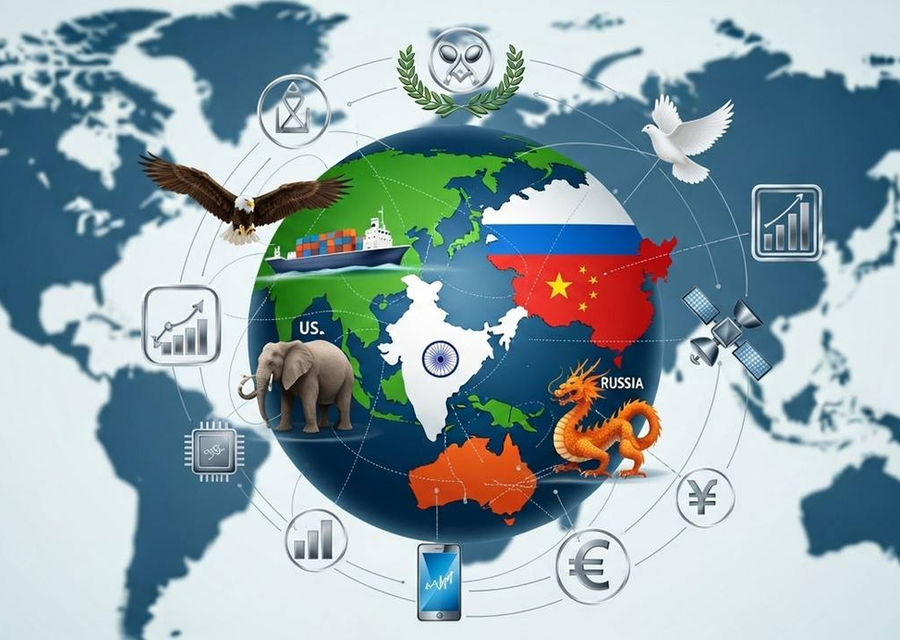
Is the US-India Realignment Reshaping Global Power?
The US-India relationship is no longer a grab bag of grants and groans; it's a working framework for a new multipolar chessboard. Pragmatic collaboration on defense, tech, and trade signals a deeper, more durable alignment than past cycles have produced. As both capitals navigate competing pressures—from domestic politics to regional rivals—the bilateral partnership is evolving into a platform for broader regional stability and resilience.
Economic Ties in a Tariff-Driven Era
Trade policy acts as both a pressure mechanism and a normalization tool, nudging private sector players to reorient supply chains and investment plans. Indian manufacturers increasingly view the US as a critical export route, while American firms reassess risk exposure in the Indian market amid regulatory shifts and tax incentives. The result is a gradual, structured integration that reduces friction in areas such as electronics, pharmaceuticals, and consumer technology, even as tariffs and policy friction linger in specific sectors.
Beyond pure economics, the tariff calculus is reshaping strategic calculations. Firms are diversifying suppliers, and policy templates are being tested in real time as Washington and New Delhi negotiate visas, investment protections, and joint research programs. This is not a mere trade story; it is a blueprint for a more resilient, interlocked, and sometimes contentious economic relationship that reflects a broader shift toward regionalized globalization.
Strategic Partnerships Beyond Commerce
Security cooperation has moved from episodic flourishes to sustained, routine interoperability. Joint exercises, intelligence sharing, and missile-defense planning are now more integrated within a shared regional vision that foregrounds deterrence and crisis management. This shift is underscored by technological collaboration in areas like cybersecurity, space, and 5G/telecom supply chains, where both nations recognize that economic and strategic interests increasingly overlap.
Diplomatic coordination extends to multilateral forums, where India seeks to diversify its partnerships while preserving autonomy. The United States, in turn, is recalibrating its diplomacy to accommodate India’s regional ambitions and domestic imperatives. The outcome is a nuanced partnership that blends hard power with nuanced soft power, signaling a durable, if complex, bilateral architecture.
India's Balancing Act Between Beijing and Washington
India's strategic posture is less about choosing sides and more about shaping options in a fluid, multipolar environment. Delhi seeks to preserve strategic latitude while leveraging the best available partnerships to advance its own growth and security priorities. The result is a calibrated approach that resists rigid binaries, opts for diversified engagement, and uses competition to extract concessions across trade, technology, and defense.
Diplomatic signaling matters as much as treaty text. India's leadership has stressed pragmatic cooperation with all major powers, while reinforcing red lines on border disputes and regional influence. The domestic political context—industrial growth, energy security, and social stability—also nudges Delhi toward a balanced calculus that emphasizes sovereignty, economic reform, and selective engagement with both rivals and allies.
Diplomacy, Defense, and Domestic Politics
Defense collaboration has become a cornerstone of the bilateral agenda, with modernized military capabilities and shared deterrence planning increasing predictability for both sides. Domestic political economy—industrial policy, job creation, and technology leadership—shapes how aggressively India pursues foreign partnerships. This intersection of policy domains means that shifts in Washington’s stance or New Delhi’s reform agenda can ripple through defense budgets, procurement timelines, and industrial standards.
Public sentiment and political timing influence strategy. Leaders weigh electoral considerations, regional priorities, and the optics of alignment with major powers. Yet the enduring thread is a mutual interest in maintaining strategic autonomy while leveraging complementary strengths to address common challenges—from cyber threats to supply chain resilience and climate-related disruptions.
Technology and Supply Chains as Leverage
Technology partnerships—especially in semiconductors, 5G, and digital infrastructure—are now central to the US-India dialogue. Both nations recognize that secure, diversified supply chains reduce vulnerability to shocks and geopolitical coercion. Indian firms gain access to capital, design ecosystems, and international networks, while American competitors tap into a vast and rapidly growing market with scalable manufacturing capabilities.
As supply chains recalibrate, policy laboratories in both capitals test new norms around data localization, cybersecurity standards, and intellectual property protections. The outcome is a more integrated tech ecosystem that supports innovation, while preserving both nations’ strategic autonomy and competitive edge in the global marketplace.
Tariffs, Trade Policy, and the Economic Equation
Tariffs are not مجرد numbers on a spreadsheet; they are instruments that reshape incentives and investment calculus. When applied strategically, they prompt companies to rethink where and how value is created, often accelerating localization and co-production efforts that benefit the bilateral relationship over the longer horizon. The challenge is to avoid a patchwork of disputes that erode trust and stall productive collaboration.
Beyond tariffs, other levers—visa regimes, investment treaties, and joint research funding—play a decisive role in shaping the quality and direction of the partnership. The economic equation now requires a balanced blend of protection and openness, where policy predictability and credible commitments help attract capital, talent, and technology to both markets.
Investments, Visas, and Market Access
Visa policy becomes a quiet engine of economic exchange, influencing how firms deploy international teams and build long-term capabilities. Investments flow more freely when there is transparency, stable rule-of-law, and predictable dispute resolution. Market access negotiations increasingly hinge on mutual concessions that unlock collaboration in high-growth sectors such as clean energy, health tech, and digital services.
In practice, this means a more sophisticated engagement where Washington and New Delhi negotiate sector-specific access, investment protections, and harmonized standards. The payoff is a more resilient bilateral economy capable of absorbing shocks and sustaining growth even as geopolitical tensions simmer elsewhere in the region.
Markets, Policy Signals, and the Road Ahead
Geopolitical risk is now a formal input into financial models, with investors watching every policy signal for clues about future openness, protectionism, or strategic restraint. A clearer, rules-based framework for cooperation can reduce volatility and spur long-horizon investments in infrastructure, technology, and manufacturing across both economies.
Looking ahead, the path is unlikely to be linear. Policy experiments, shifting domestic priorities, and evolving alliances will shape a dynamic environment where cautious optimism competes with occasional frictions. The best outcomes will emerge from disciplined diplomacy, transparent governance, and a shared commitment to stability that can weather unexpected shocks and seize serendipitous opportunities alike.
Investor Sentiment and Geopolitical Risk
Markets respond to the cadence of diplomacy and the credibility of policy commitments. When trust is high and reform processes are visible, capital tends to flow toward cross-border ventures, joint ventures, and tech partnerships. Conversely, policy missteps or unpredictable rhetoric can trigger risk premium increases, raising the cost of capital and slowing project timelines in critical sectors.
Thus the near-term objective for policymakers is to cultivate a predictable, inclusive framework that accommodates competing national interests while protecting shared strategic objectives. In doing so, the US-India axis can become a stabilizing force in a fluctuating global order, reinforcing resilience across markets and institutions.
Long-Term Scenarios for 2025 and Beyond
Looking further ahead, plausible trajectories range from a strengthened, institutionally embedded partnership to a more selective, issue-based alignment depending on domestic and international pressures. The most likely outcome blends continuity with selective adaptation: steady economic integration, deeper technology collaboration, and a more diversified security architecture that aligns with each country’s evolving priorities.
Crucially, the bilateral relationship will likely hinge on diplomatic signals, credible commitments, and tangible wins in trade, investment, and innovation. If the partners stay committed to collaborative problem-solving, the US-India dynamic could become a defining pillar of a more balanced, predictable, and prosperous regional order.
Key Takeaways
US-India relations analysis suggests a sophisticated, multi-domain partnership evolving beyond traditional diplomacy into a real-world engine of regional stability and global resilience. The blend of tariff diplomacy, strategic defense, and technology collaboration signals a durable alignment that can adapt to new challenges while expanding economic opportunity for both nations and their partners. The future hinges on credible commitments, transparent governance, and the willingness to navigate tensions with pragmatism and shared purpose.
Topic | Overview |
US-India Realignment | Trade, security, and tech cooperation shaping bilateral posture in a multipolar world. |
Axis of Upheaval Context | China–Russia–North Korea alignment influences India's strategic choices. |
Tariffs and Policy Levers | Tariffs and visa rules alter incentives for investment and collaboration. |
Markets and Policy Signals | Geopolitical risk informs investment and policy in Asia and beyond. |


Comments