


The Quishing Pandemic: Ghost Gateways Hijacking Public Payment Points
- Jan 10
- 3 min read
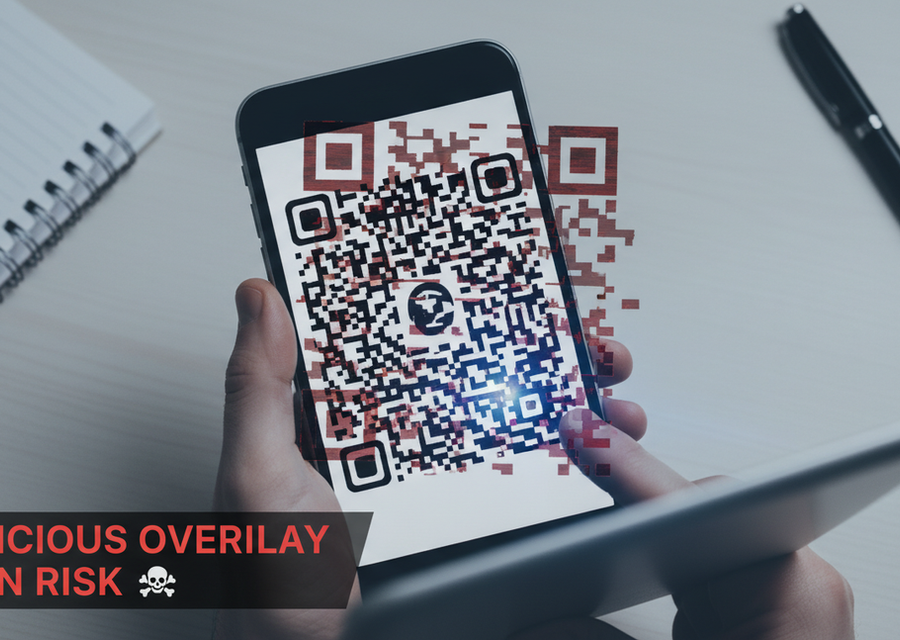
The transition toward a cashless society has been accelerated by the convenience of QR codes, but this efficiency has birthed a dangerous new phenomenon: the "Quishing" pandemic. No longer limited to simple phishing links, modern attackers are deploying "Ghost Gateways" that physically overlay legitimate payment points at EV charging stations, parking meters, and restaurants. These high-quality, weather-resistant stickers are nearly indistinguishable from original signage, making them a silent but deadly threat to unsuspecting consumers.
As these fraudulent schemes evolve, the primary objective has shifted from simple data theft to the interception of biometric payment tokens. By mimicking the interfaces of trusted platforms like Apple Pay and Google Pay, quishing payment fraud allows criminals to capture the "handshake" required for high-value transactions. This sophisticated method bypasses traditional security layers, leaving users vulnerable even when they believe they are following standard safety protocols.
The Rise of Ghost Gateways
The mechanics of quishing payment fraud have become alarmingly advanced. Scammers are no longer just redirecting users to fake websites; they are creating "Proxy Gateways" that act as a middleman between the consumer and the actual payment processor. When a user scans a compromised QR code at a public terminal, they are presented with a user interface that perfectly mirrors a legitimate payment environment.
These overlays are often applied under the cover of darkness to avoid detection. In some urban centers, reports suggest that organized crime syndicates are using automated drones to place these stickers on high-traffic infrastructure. Alternatively, low-level gig workers are recruited to distribute these "Ghost Gateways," often without fully grasping the criminal nature of their tasks. The result is a widespread network of hijacked payment points that are difficult for authorities to monitor in real-time.
How Biometric Token Hijacking Works
One of the most terrifying aspects of current quishing payment fraud is the harvesting of biometric payment tokens. When you scan a QR code and authorize a payment via FaceID or TouchID, your device generates a unique token to complete the "handshake" with the gateway. The Ghost Gateway intercepts this token before it reaches the legitimate vendor, effectively stealing the digital signature of your approval.
Bypassing Multi-Factor Authentication
Because the user has already "authorized" the transaction on their own device, the intercepted token acts as a pre-validated key. Fraudsters can then replicate this authorization for a separate, high-value transaction elsewhere. Since the biometric trigger was technically initiated by the user, many banking fraud detection systems fail to flag the transaction as suspicious until the damage is already done. This makes quishing payment fraud far more dangerous than traditional credit card skimming.
Protecting Yourself from the Quishing Pandemic
To mitigate the risks associated with quishing payment fraud, consumers must adopt a more cautious approach to public digital interactions. The most effective defense is to avoid scanning QR codes in high-traffic or unsupervised areas entirely. If you need to pay for parking or an EV charge, manually typing the URL or using the official mobile application of the service provider is significantly safer than relying on a physical sticker.
Physical inspection is also crucial for spotting quishing payment fraud. Before scanning, run your finger over the QR code to check if it feels like a raised sticker or if it appears slightly misaligned with the rest of the signage. If the material looks different from the surrounding surface, it is likely a trap. Furthermore, always double-check the URL in your browser's address bar after scanning to ensure it matches the official domain of the service you are using.


Comments